
Climb Kilimanjaro
Route-by-route expeditions to Uhuru Peak at 5,895 m: hut nights on Marangu, scenic camping on Machame and Lemosho, quieter northern approaches, and premium crater sleep-outs, briefed with the altitude, climate, and crew standards we use every season.
Guided with mountain discipline
Choose the trail that matches your body and leave window
Longer routes usually mean better acclimatisation. Each package opens as a full briefing page: altitude profile, overnight temperatures, hut or camp details, day-by-day pacing, and the from-price spine. Tell us your dates and recent trekking. We will steer you honestly, including when a popular route is the wrong fit.
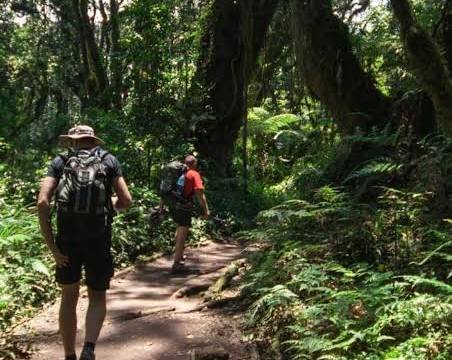
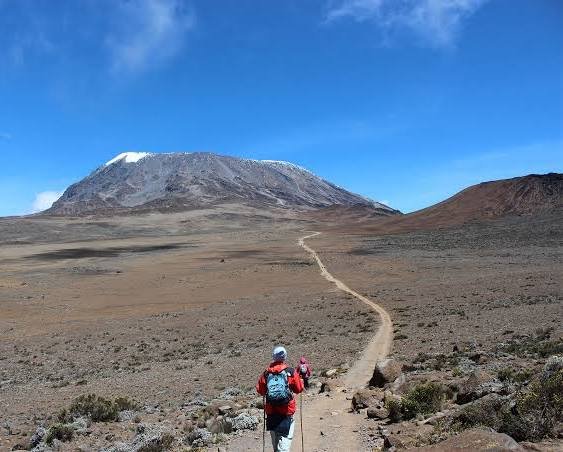
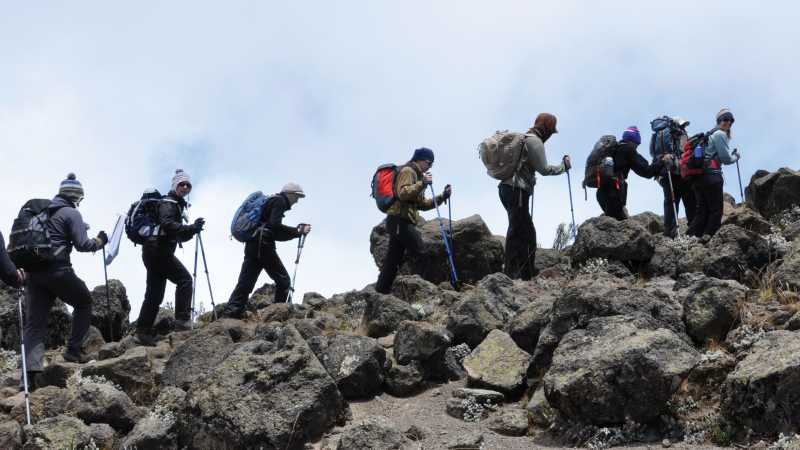
Classic east
Marangu Route (hut accommodations)
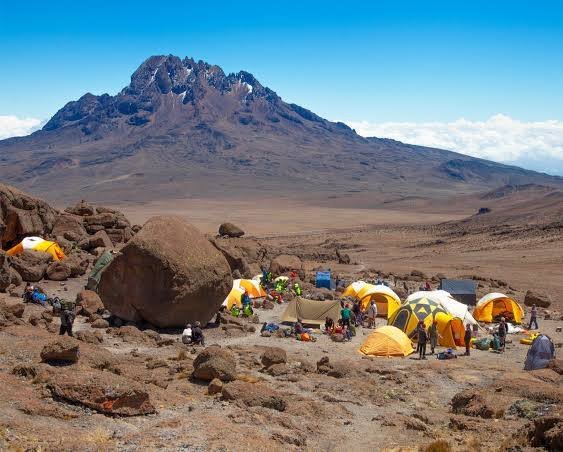
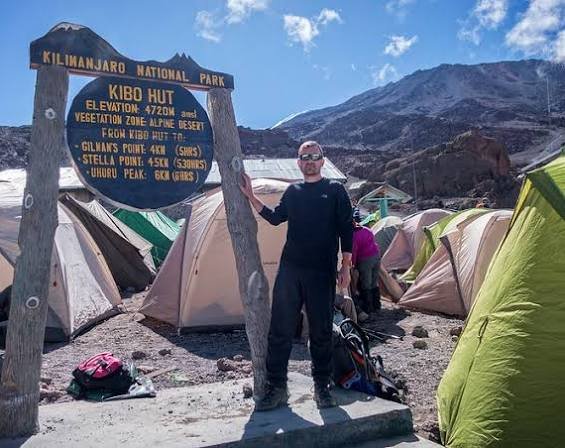
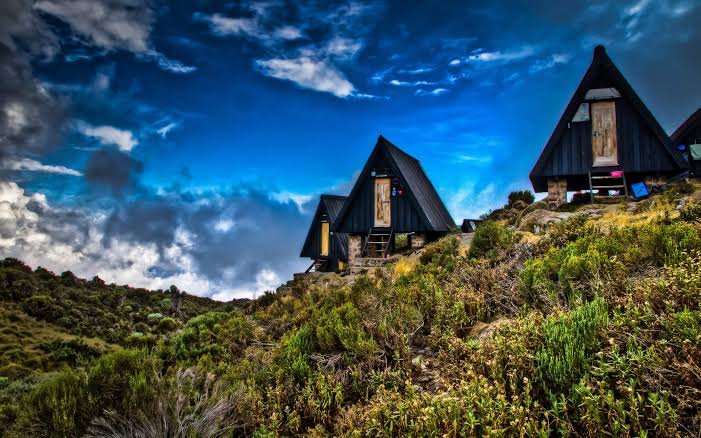
The only hut-based route on Kilimanjaro, communal A-frame nights at Mandara, Horombo, and Kibo, a familiar eastern trail, and two clear duration choices. Ideal when you want beds instead of tents and a well-marked path with decades of established logistics.
Marangu Classic Ascent
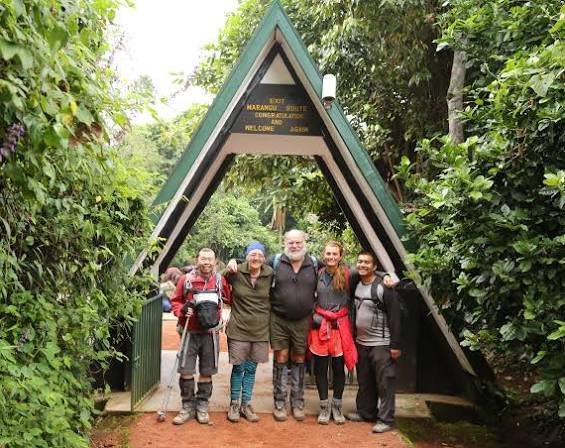
The classic Coca-Cola hut route, communal A-frame wooden dormitories on the eastern approach, our most approachable from-price climb.
Marangu Acclimatization Advantage
Our preferred hut-route length, an extra Horombo night with a climb-high, sleep-low day that materially improves summit odds.
Most popular
Machame Route (the Whiskey trail)
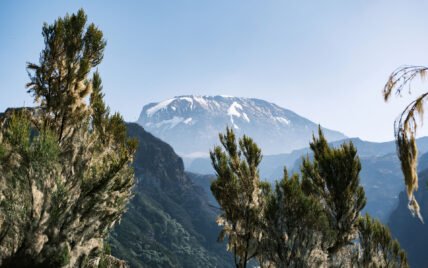
Camp-based and scenic: rainforest, Shira views, the Barranco Wall, and a southern-circuit summit approach. Seven days with a Karanga night remains our most requested Machame profile for first-time summit confidence.
Machame Express Wilderness
A compressed Whiskey trail camping climb, rainforest to Barranco Wall to Barafu on a physically intense six-day clock.
Machame High Success Summit
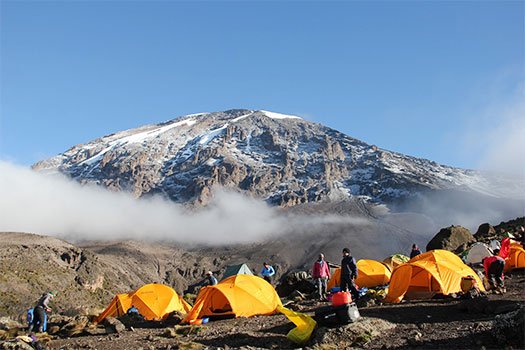
Our most booked Machame itinerary, Karanga Camp overnight for climb-high, sleep-low pacing before Barafu and summit.
High success
Lemosho Route (scenic west)
Remote western entry across the Shira Plateau before joining the southern circuit. From condensed six-day pushes to the gold-standard eight-day acclimatisation package, chosen when scenery and buffer both matter.
Lemosho Rapid Ascent
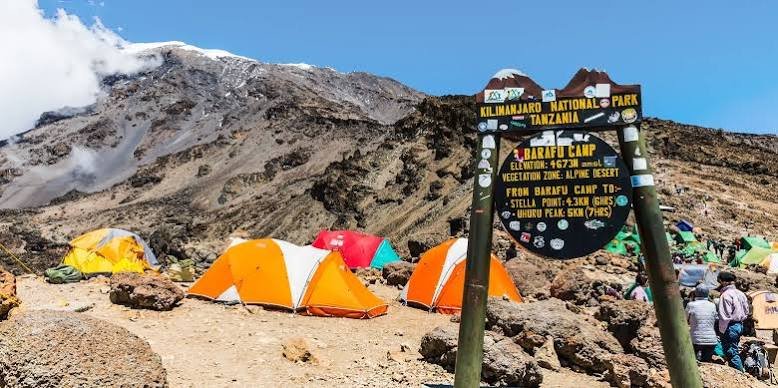
A condensed western climb that drives higher toward Shira Ridge, then joins the southern circuit for Barranco, Barafu, and summit.
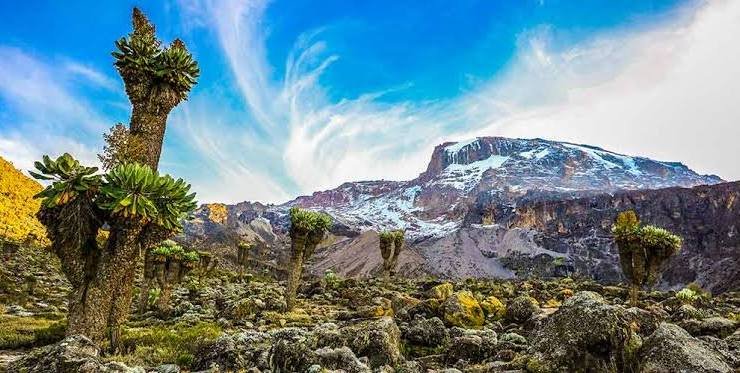
Lemosho Pristine Panoramas
Western rainforest to Shira Plateau panoramas, then the classic southern circuit, seven days of space, light, and strong scenery.
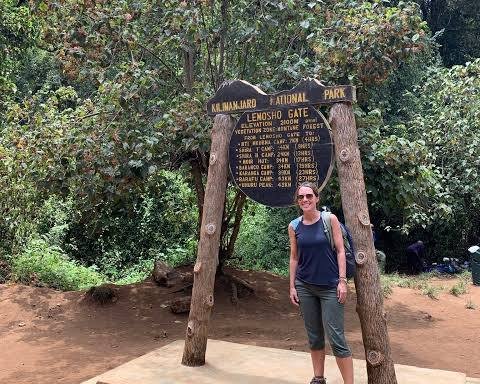
Lemosho Ultimate Acclimatization
The gold-standard Lemosho profile, gentle western pacing, Shira Plateau depth, and historically excellent summit odds.
Quieter north
Rongai Route (northern dry track)
The only standard trail starting near the Kenyan border, often drier than southern approaches, with Mawenzi Tarn scenery on longer profiles and a Marangu-side descent after summit.
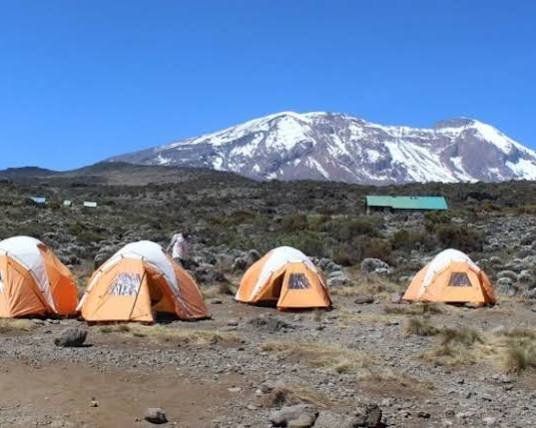
Rongai Wilderness Isolation
Kilimanjaro’s only northern trailhead near the Kenyan border, often drier, quieter early camps, and a Marangu-side descent.
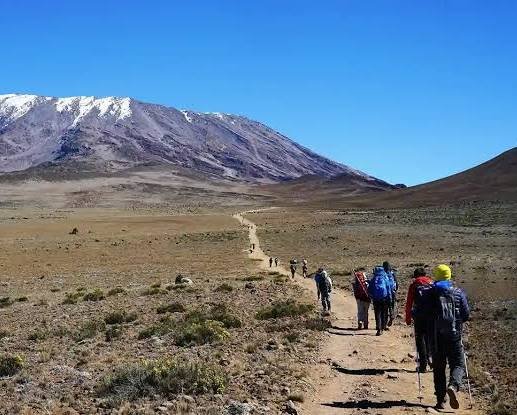
Rongai Mawenzi Tarn Eco-Trek
Northern Rongai with Mawenzi’s jagged volcanic spires and a high tarn camp before the Kibo summit push.
Best buffer
Northern Circuit (longest route)
Circles the wild northern flanks for maximum terrain coverage and an exceptionally high safety and success buffer. The choice when leave days allow a full expedition rather than a compressed summit dash.
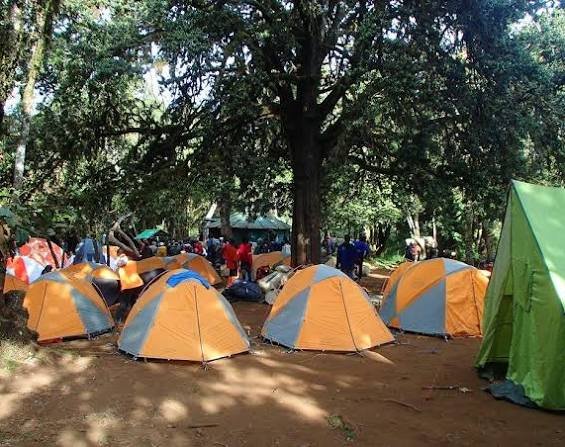
Northern Circuit Grand Traverse
Circles Kilimanjaro’s wild northern slopes for solitude, big horizons, and one of the strongest standard acclimatisation buffers.
Northern Circuit Immersive Wilderness
Maximum non-crater terrain coverage, the longest standard circuit with an exceptionally high safety and success buffer.
Steep and short
Umbwe Route (direct vertical challenge)
The steepest non-technical path, a direct ridge for fit, altitude-aware hikers only. We recommend it after an honest fitness conversation, not as a badge of bravado.
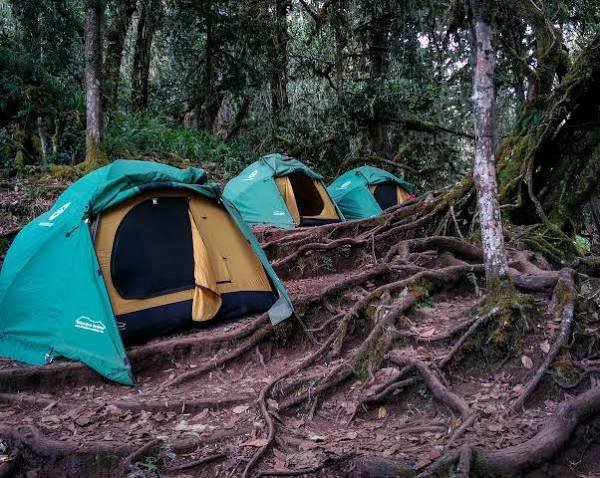
Umbwe Extreme Mountaineer
Kilimanjaro’s steepest non-technical line, direct ridges, fast elevation, and little buffer for anyone under-trained.
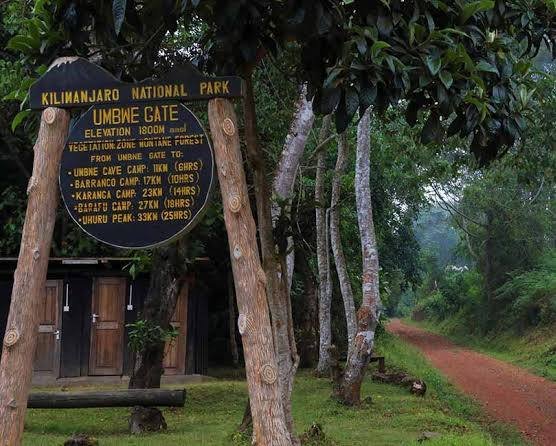
Umbwe Steep Ridge Adventure
Umbwe’s direct ridge character with an extra Barranco night, still proud and steep, with a fairer shot at high camp and summit.
Alpine gateway
Shira Route (high altitude start)
Bypasses the long rainforest approach and places you onto the high plateau early, related to Lemosho, with bigger views sooner and a sharper first meeting with altitude.
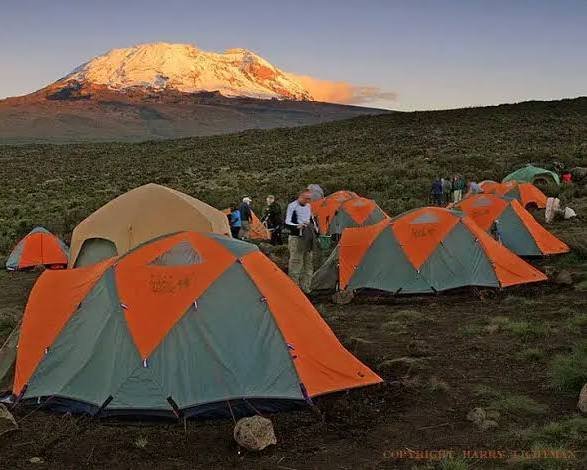
Shira High Altitude Gateway
Skip the rainforest approach, drive onto alpine plateau country and begin already in big-sky Kilimanjaro terrain.
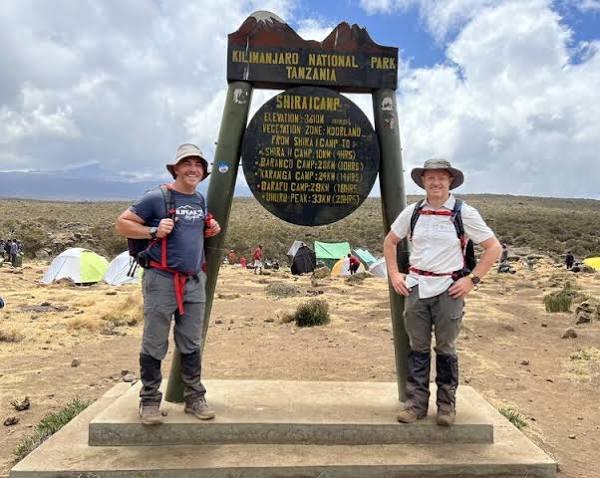
Shira Deep Mountain Explorations
High plateau start with deeper exploration among volcanic rock formations before a measured southern-circuit summit push.
Elite expeditions
Premium crater camping packages
High-end sleep-outs on the crater floor near 5,750 m after Uhuru Peak, for climbers who earn the night through pacing and health checks, and want the ash pit and full volcanic story.
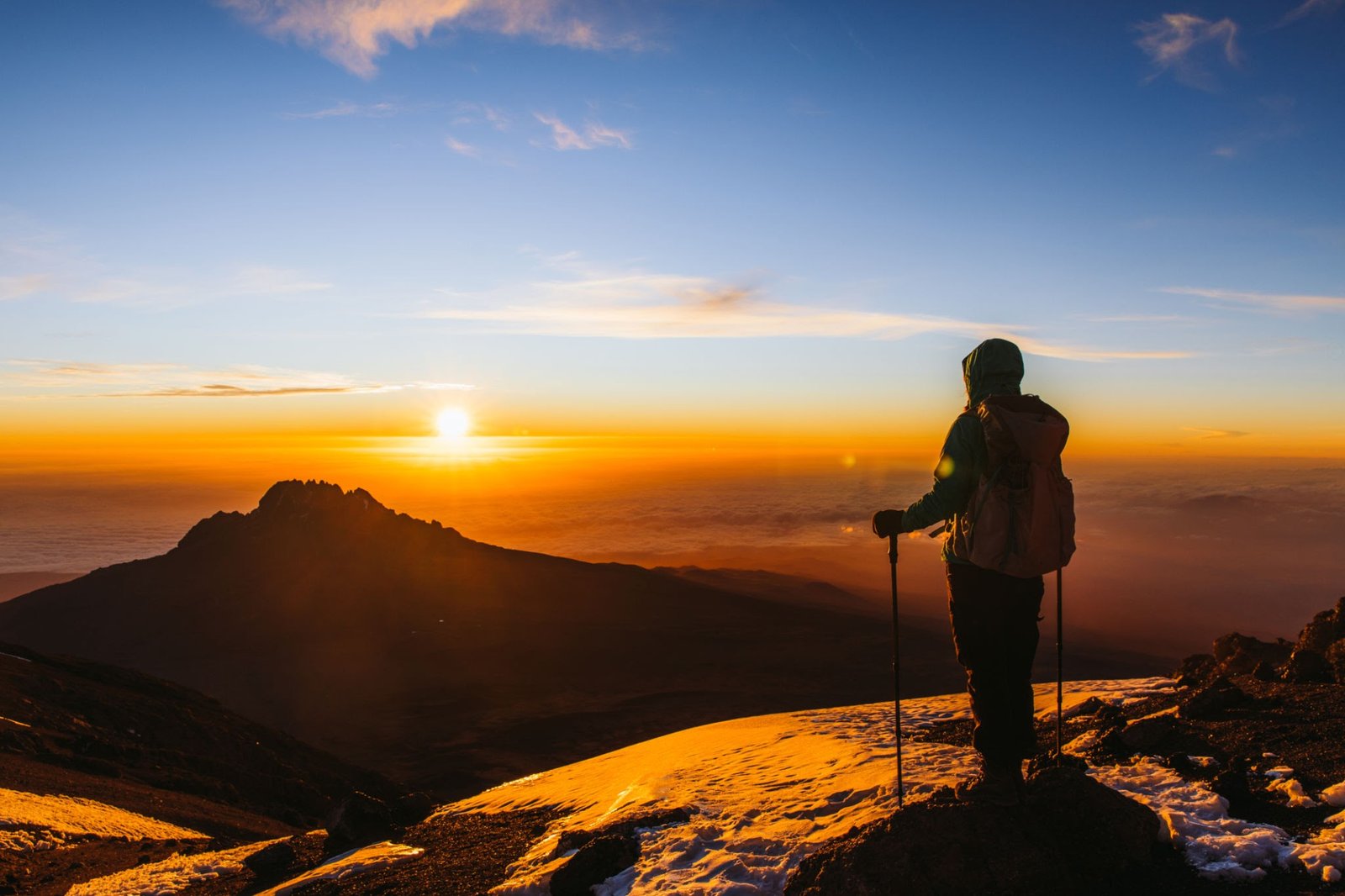
Lemosho Luxury Crater Sleep-Out
Premium Lemosho acclimatisation ending with a night on the crater floor near the ash pit at about 5,750 metres.
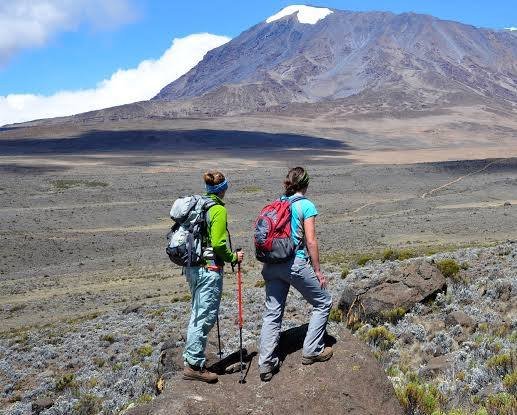
Northern Circuit Elite Crater Exploration
Our fullest Kilimanjaro expedition, complete Northern Circuit perimeter plus a night at Crater Camp near the ash pit.
How you climb
Private or group
Private climbs for families and friends. Scheduled group departures with a modest deposit to lock your spot, same safety standards either way.
- Daily health checks and experienced lead guides
- Fair wages and proper gear for porters
- Meal plans suited to high-altitude effort
- Optional Meru warm-up before Kilimanjaro
Prepare well
Guides climbers use
Packing list
Four climate zones from rainforest to glacier: gear that matters at about -15 C on summit night.
Read packing guide →Difficulty and training
What hard really means on Kilimanjaro, how long it takes, and how to prepare before you fly.
Read difficulty guide →Machame vs Lemosho
Compare the two most popular trails: scenery, acclimatisation, and which climb fits your fitness.
Compare routes →
Traveller questions
Frequently asked questions
Straight answers from the Arusha desk, with links into the journeys and guides that belong with each question.
Ready when you are
Let’s map your Tanzania
Tell us when you travel, who joins you, and what you dream of seeing. We’ll reply with a clear trip outline.