

Terrain & climate
Lower elevation than Ngorongoro, with hot dry-season days and soft evening light through baobab silhouettes. Dust is real June–October; greens return with rains and wildlife disperses.


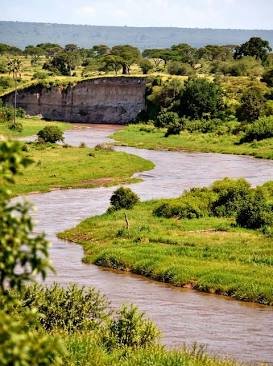
Tarangire feels classic and close: enormous baobabs, the Tarangire River drawing wildlife in the dry season, and easy logistics from Arusha.
Overview
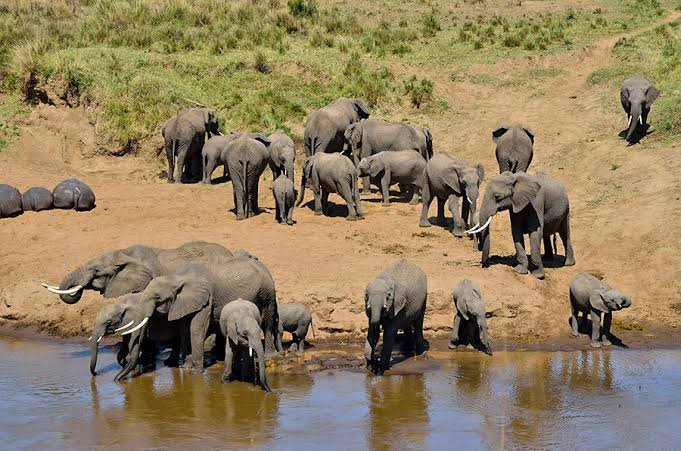
Baobab skylines and some of northern Tanzania’s largest elephant herds
Tarangire National Park sits south of Arusha at roughly 1,000 to 1,500 metres, warm days, cooler evenings, and a landscape defined by baobabs, riverine bush, and seasonal swamps. In the dry months, wildlife concentrates along the Tarangire River and can deliver elephant viewing that rivals anywhere on the northern circuit.
The park works as a full day from town or as the first overnight of a longer circuit toward Manyara, Ngorongoro, and Serengeti. Terrain is soft under tyre after rain; in peak dry season dust and heat ask for water, hats, and patience at busy river loops.
If you want elephants without an overnight bag, start with our Tarangire day trip . For multi-day routing, open most safari packages here before climbing toward the crater highlands.
Guests comparing compact parks often weigh Tarangire against Lake Manyara destination guide , dry-season elephant density usually favours Tarangire; birding and groundwater forest favour Manyara.
We time Tarangire days around dry-season river concentrations when guests want elephants most, and we say plainly when greener months will feel more about landscape and birding than mega-herds.
Baobab country guide
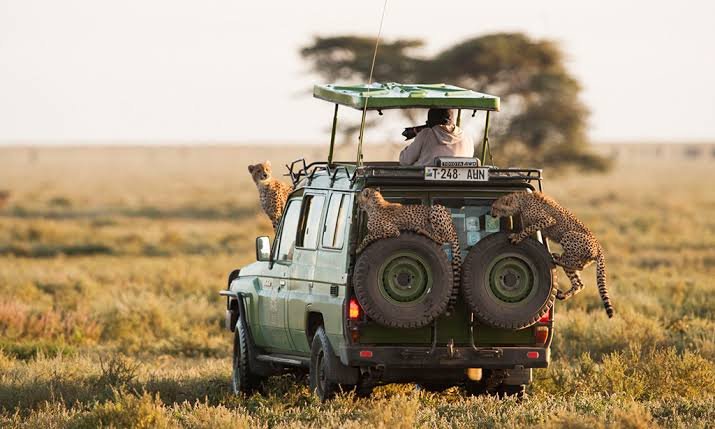
Tarangire is elephant and baobab country along a lifeline river, often the first park on a northern circuit and a favourite for photographers.
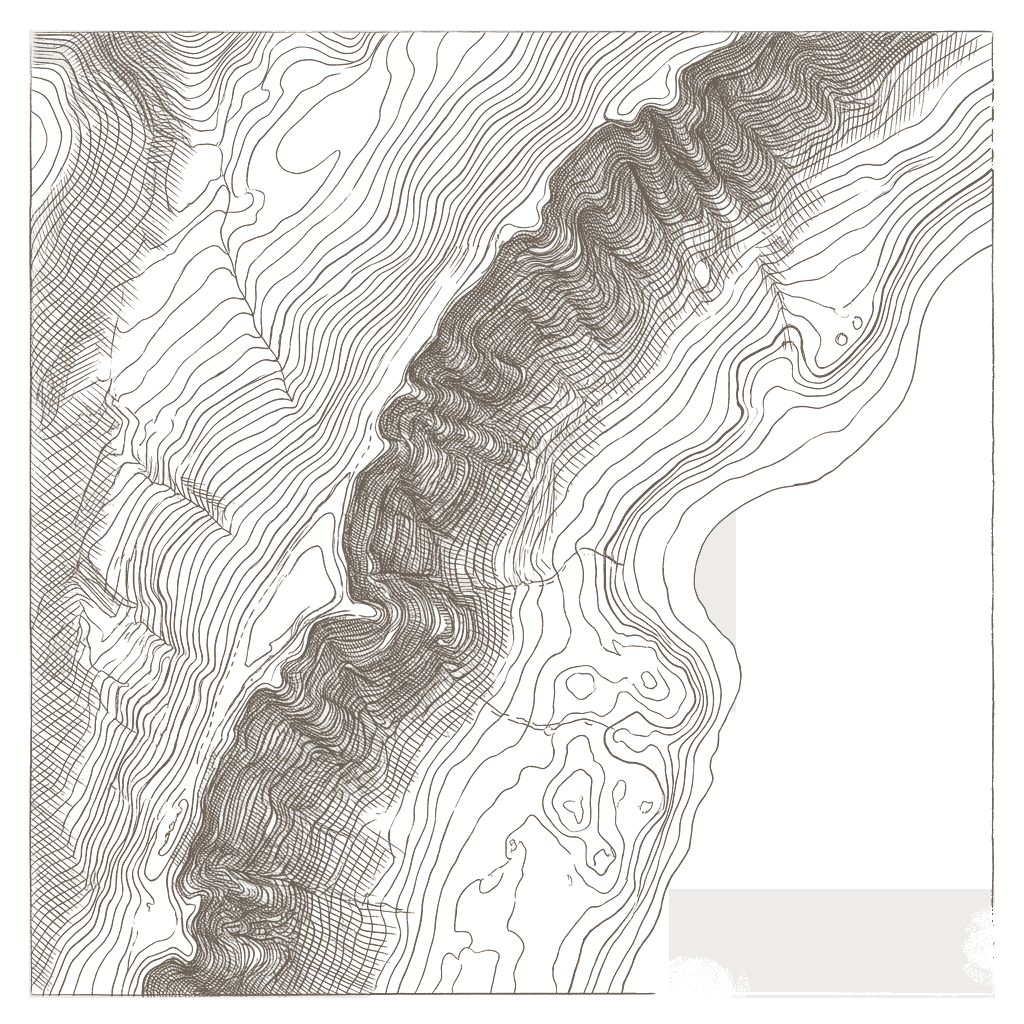
Lower elevation than Ngorongoro, with hot dry-season days and soft evening light through baobab silhouettes. Dust is real June–October; greens return with rains and wildlife disperses.
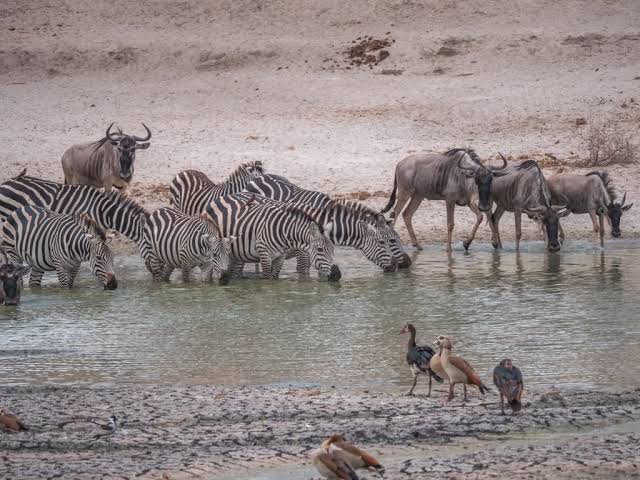
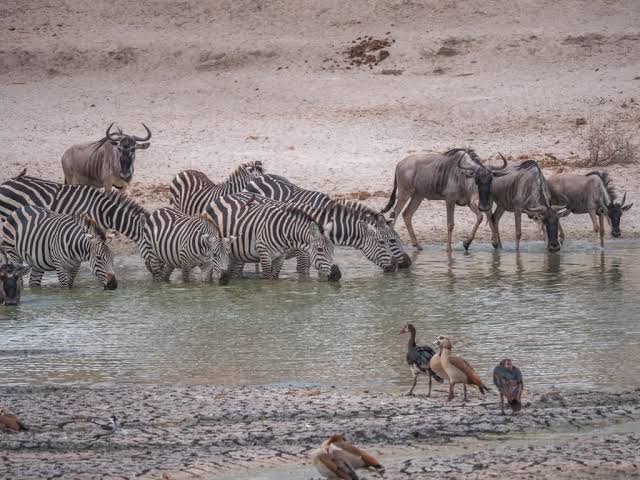
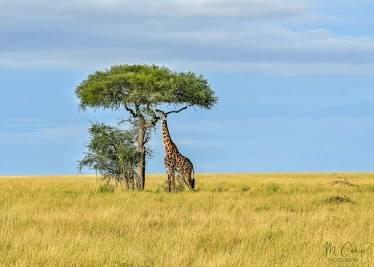
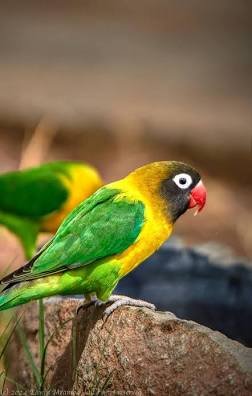
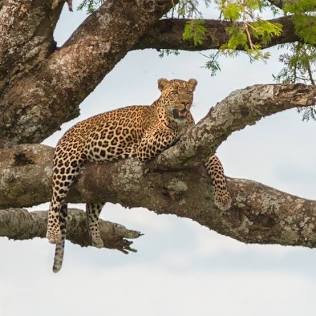
Elephant herds, buffalo, giraffe, predators along drainage lines, and exceptional birdlife. Dry months concentrate animals near the Tarangire River. That is when many first-timers fall in love with this park.
Lodges and tented camps inside or just outside the park, or highland bases toward Karatu when combining Manyara and Ngorongoro the next day.
Morning and afternoon drives with picnic or lodge lunch depending on routing. We linger at river bends and shade trees rather than racing every track.
Tarangire rewards patience we have practised for years, especially when elephant families own the road and the only correct move is to wait.
Highlights
On the ground
Seasons
June to October: peak dry-season wildlife along the river, our strongest recommendation for first-time elephant days.
January to February: green and beautiful with good general game and dramatic skies after short rains.
March to May: lush scenery; some tracks softer after rain and wildlife more dispersed.
November: transitional light and fewer crowds; still strong for photography if you accept mixed weather.
Day trips remain worthwhile year-round; overnight stays add dusk and dawn when heat eases and cats move.
Logistics
Private 4×4 from Arusha in roughly two hours on the main southern road.
Ideal day-trip distance with picnic lunch in the park and evening hotel return.
Common overnight before continuing to Manyara, Karatu, or Ngorongoro.
No scheduled airstrip circuit like Serengeti, road access is the norm and keeps logistics simple.
Ways to go
Start from a ready itinerary, or ask us to reshape nights, lodges, and pacing around this destination.
Questions
Keep exploring
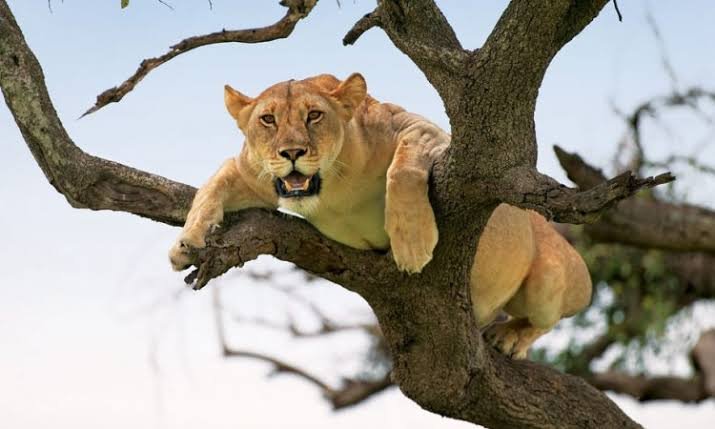
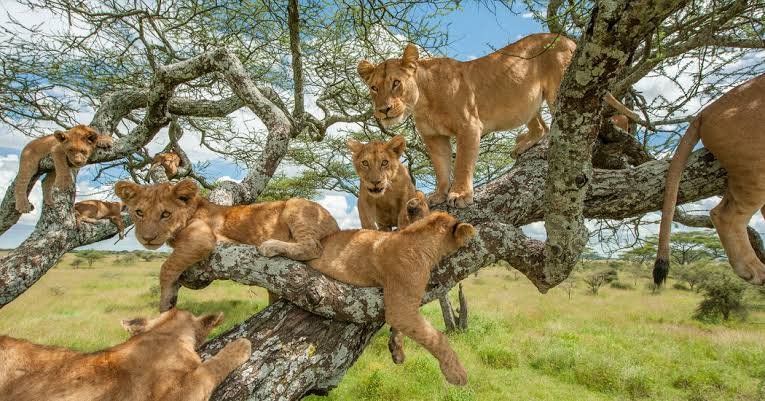
A compact Rift Valley park of forest, lake shore, and famous tree-climbing lions when conditions favour sightings.
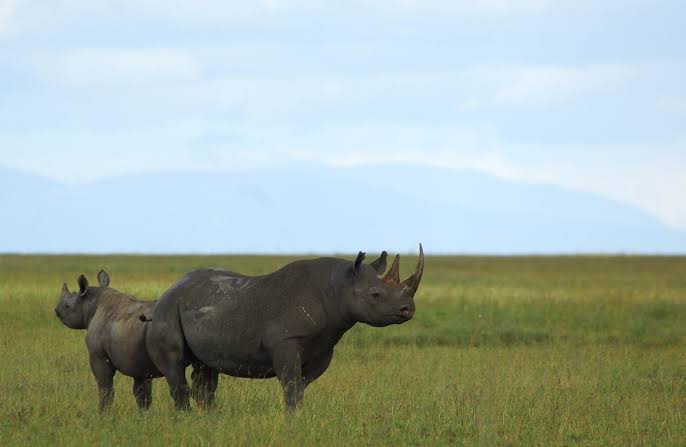
Descend into the Ngorongoro Crater for hippos, flamingos, predators, and highland views that feel like another world.
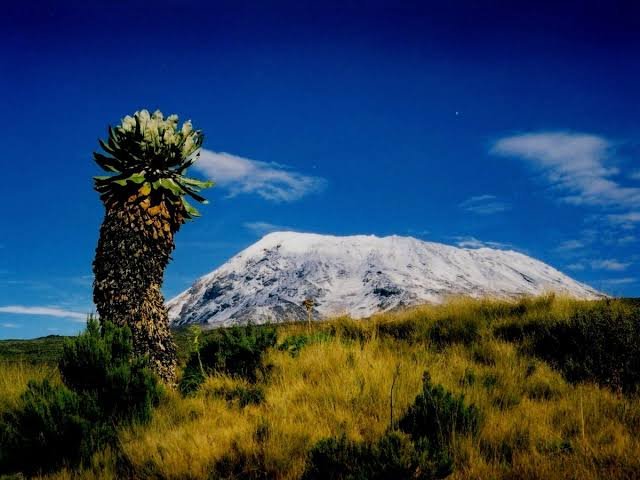
Uhuru Peak stands above the clouds. Choose Marangu huts, Machame camping, Lemosho panoramas, or premium crater nights.
Tell us how many nights you want here and what else is on your map. We will build a clear private quote.
Explore KiliRuta
Jump between climbs, safaris, destinations, day trips, and planning guides. Every page connects to the next part of your journey.
Trusted network













Please wait