Five hut nights on Marangu, beds instead of tents, a well-marked eastern trail, and a compressed acclimatisation curve for fit climbers with a tight leave window.
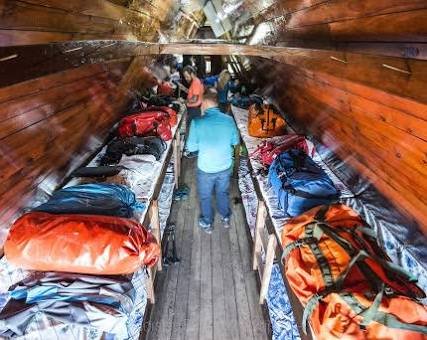
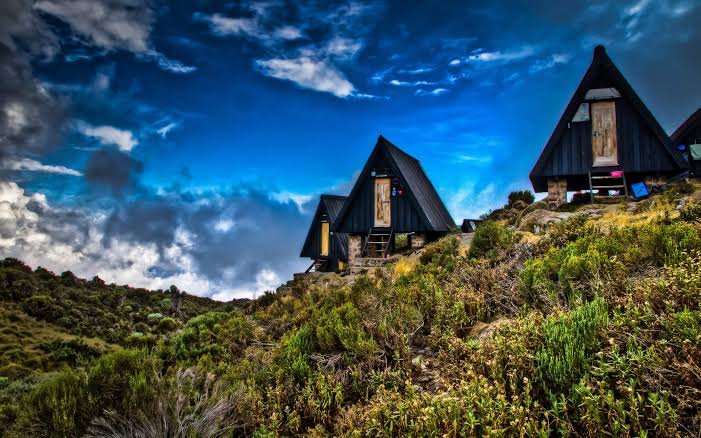
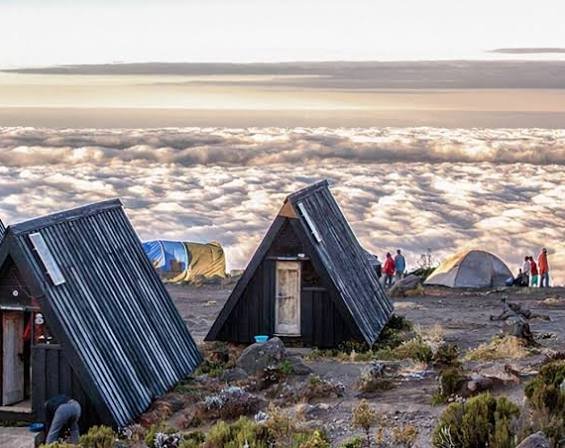
Marangu remains Kilimanjaro’s only hut-based route. You sleep in communal A-frame wooden dormitories at Mandara, Horombo, and Kibo rather than pitching tents, walking a familiar eastern trail that has carried climbers for decades. The path rises from rainforest through giant heather moorland into alpine desert before the midnight push from Kibo Hut.
The five-day classic is the shortest standard Marangu profile. Elevation rises quickly, so we recommend it for fit hikers who already know how their body handles altitude, or travellers who must protect leave days before a safari. Guides set a deliberately slow “pole pole” pace even on this compressed schedule, and daily pulse-ox checks are part of every briefing.
If you can spare one more mountain night, compare this with our
6-Day Marangu Acclimatization Advantage
, the Horombo buffer is the single biggest upgrade most first-timers make. Many guests also plan a soft recovery week on our
northern safari packages
after they collect their certificates.
Park fees, rescue cover, hut allocations, meals, and a full guide–porter–cook crew sit inside the from-price spine. You descend the same trail you climbed, which keeps navigation simple and lets tired legs recognise every junction on the way down.
Marangu is the route we have staffed longest: hut logistics, same-trail descents, and honest talk about when five days is enough, and when it is not.
Marangu is the only Kilimanjaro route with communal wooden sleeping huts. The trail climbs the eastern flanks through rainforest, moorland, and alpine desert before the Gilman’s Point summit approach.
Altitude profile
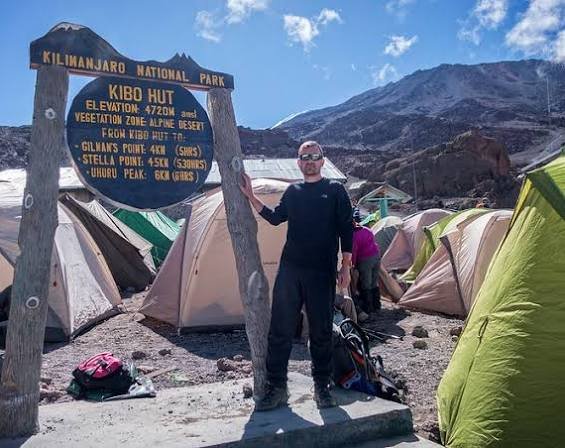
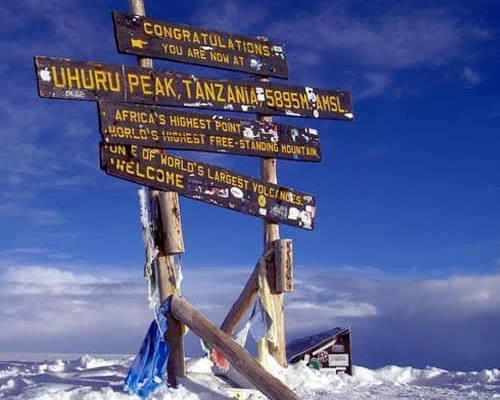
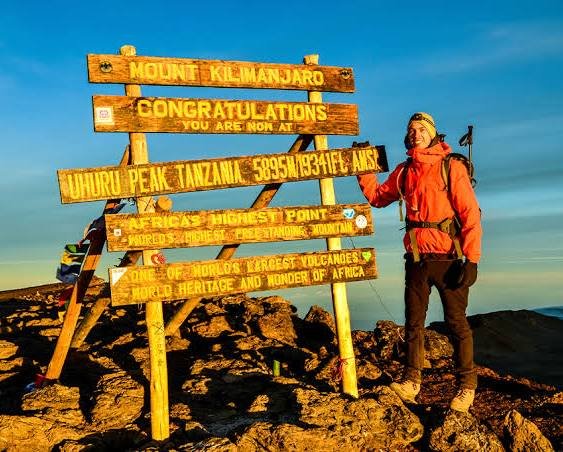
Marangu Gate sits near 1,860 m. Mandara Hut is about 2,700 m, Horombo Hut about 3,720 m, and Kibo Hut about 4,700 m before the push to Uhuru Peak at 5,895 m. The five-day profile gains height quickly; six days adds a Horombo buffer that most first-timers feel in their sleep and appetite.
Temperature & weather
Forest mornings often sit around 15–20°C. Horombo nights commonly drop near freezing. Summit night regularly reaches −10°C to −15°C with wind chill on the crater rim. Eastern slopes can catch afternoon cloud; dry-season windows (roughly January–March and June–October) still need full summit layers.
Accommodation on the mountain
You sleep in A-frame communal huts with bunk-style mattresses and shared wash blocks. Bring a warm four-season sleeping bag; hut mattresses are basic. Dining halls are separate. This is not private lodging. It is classic mountain hostel comfort with beds instead of tents.
Who we guide here
Marangu suits climbers who prefer a bed after long days, travellers pairing a shorter mountain window with safari, and guests who value a well-marked trail with decades of established logistics. Same-route descent keeps navigation simple after summit night.
Our mountain crews have walked this eastern trail for years, hut allocations, pacing between Mandara and Horombo, and honest go/no-go checks before Kibo are part of how we keep the Coca-Cola route reliable.
Highlights
What you will notice
1
Hut nightsA-frame wooden sleeping huts along the trail.
2
Classic trailWell-marked eastern approach with long history.
3
Budget-friendly spineOften the most approachable from-price among standard routes.
4
Full crewGuides, porters, and cook included.
5
Same-route descentYou return via the same trail after summit night.
6
Park fees includedConservation, rescue, and hut fees in the quote spine.
Moments
Trip gallery
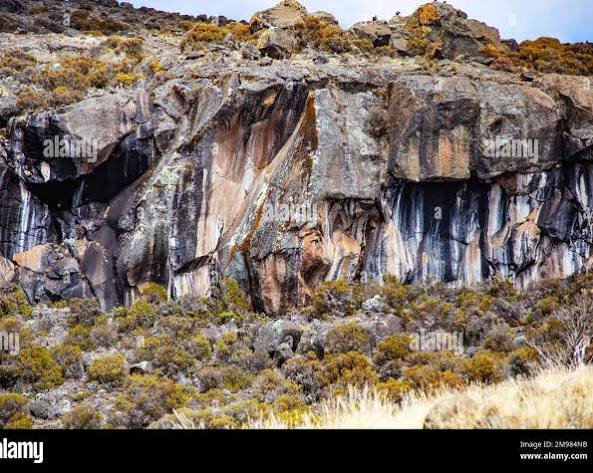
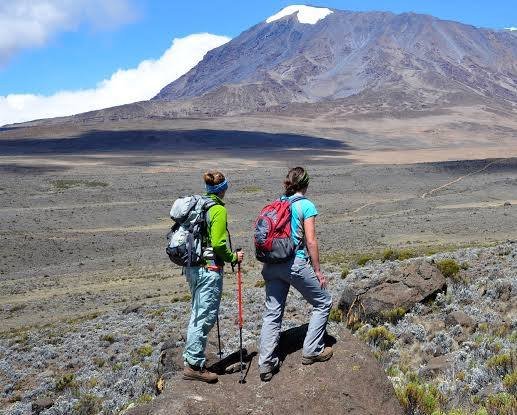
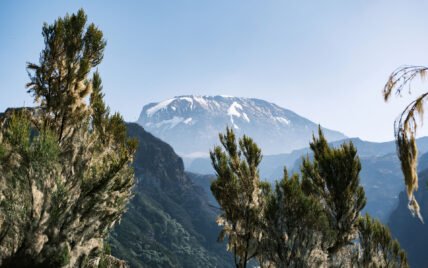
A taste of the landscapes and moods on this route: rainforest, moorland, alpine desert, and summit snow.
Standard five-day Marangu profile. Exact hut bunks follow park allocation; we brief you on communal dorm etiquette before the gate.
Altitude1,860 m → 2,720 m
Walking time3–5 hours
OvernightMandara Hut (communal dorm)
Temperature15–25°C day / 10–15°C night
Distance~8 km
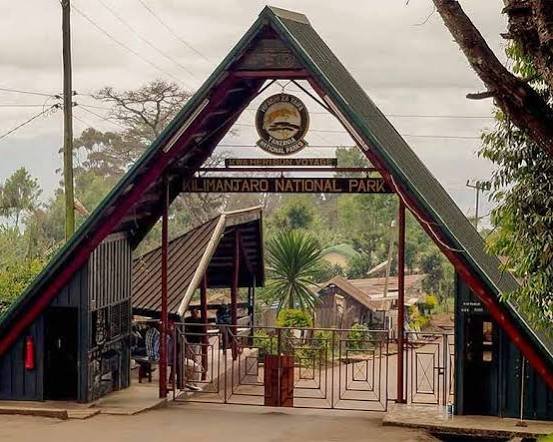
Register at Marangu Gate (about 1,860 m) and climb steadily through montane rainforest where colobus monkeys often move in the canopy. Expect mild, humid walking weather around 15–25°C under the trees. Mandara Hut sits near 2,720 m in communal wooden dorms with basic mattresses; an optional afternoon stretch toward Maundi Crater helps lungs settle before dinner.
Altitude2,720 m → 3,720 m
Walking time5–7 hours
OvernightHorombo Hut (communal dorm)
Temperature10–18°C day / 0–8°C night
Distance~12 km
Leave the forest for open moorland as giant heathers and lobelias appear and Mawenzi’s jagged silhouette grows on the skyline. The trail gains roughly a thousand metres to Horombo Hut at about 3,720 m. Days cool to roughly 10–18°C; nights can drop near freezing, so layer early. Overnight in shared A-frame huts with dining hall meals prepared by your cook.
Altitude3,720 m → 4,700 m
Walking time5–7 hours
OvernightKibo Hut (communal dorm)
Temperature5–15°C day / −5 to −10°C night
Distance~10 km
Cross the alpine desert saddle between Mawenzi and Kibo, sparse vegetation, loose scree underfoot, and thinner air all the way to Kibo Hut at about 4,700 m. Afternoon temperatures often sit near 5–15°C with sharp wind; nights are bitterly cold. Early dinner, kit check, and enforced rest prepare you for a midnight departure. Sleep is usually light at this elevation.
Altitude4,700 m → 5,895 m → 3,720 m
Walking time10–14 hours
OvernightHorombo Hut
TemperatureSummit −10 to −20°C; Horombo near 0–8°C
Distance~16–20 km
Depart around midnight in headlamps for Gilman’s Point (about 5,685 m) on the crater rim, then along the rim to Uhuru Peak at 5,895 m when conditions and group strength allow. Summit temperatures commonly fall between −10 and −20°C with wind chill. After brief celebration photos, descend past Kibo and continue to Horombo for a recovery night in the hut, a long, knee-loading day that rewards careful pacing.
Altitude3,720 m → 1,860 m
Walking time5–7 hours
OvernightHotel in Moshi or Arusha
TemperatureWarming into 15–25°C in the forest
Distance~20 km
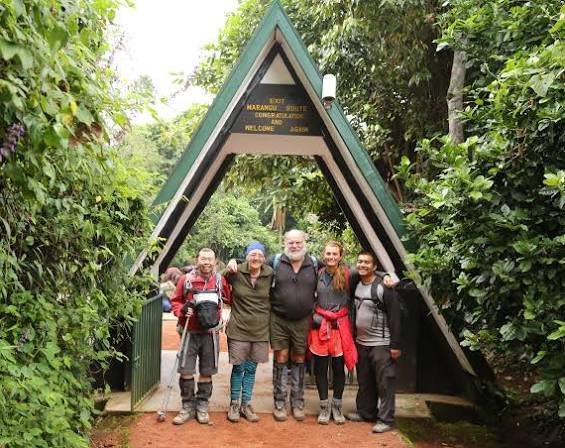
Final descent through moorland and rainforest to Marangu Gate. Legs feel heavy but the trail is familiar. Collect summit certificates at the park office, then transfer to Moshi or Arusha for a hot shower and a proper bed.
Park fees stay per person; crew and transport are shared. The from-price is 2 climbers in low season. Switch seasons below, then request a locked quote for your dates.
Low season — April, May & November
Level
1 person
2 people
4 people
6+ people
Standard
$1,891*
$1,550*
From price
$1,426*
$1,333*
* Cost per person · USD. The highlighted from-price is 2 people in low season.
High season — January–March, June–October & December
Level
1 person
2 people
4 people
6+ people
Standard
$2,080*
$1,705*
$1,569*
$1,466*
* Cost per person · USD. The highlighted from-price is 2 people in low season.
“Flawless planning from Arusha to the crater rim. Our guide knew every track, Big Five in four days without feeling rushed.”
Elena Martinez
Safari · Serengeti & Ngorongoro
★★★★★
“Machame was tough, but the team’s pacing made Uhuru Peak feel possible. Porters were treated with real respect.”
James Okello
Climb · Machame 7-day
★★★★★
“Safari then Zanzibar was the perfect hybrid. Lodges exceeded expectations. We only had to show up and look out.”
Anna Hartmann
11-day safari and Zanzibar combo
Questions
Frequently asked questions
No. Marangu huts are communal dormitory-style with shared facilities and bunk mattresses. Bring earplugs and a warm sleeping bag rated for summit cold, hut walls cut wind but not temperature.
It works for fit, altitude-aware climbers, but the six-day Marangu with an extra Horombo night raises odds for most first-timers. We will tell you honestly which profile fits your fitness and leave calendar.
Both. Group climbs share hut nights and crew economies; private teams move on your dates with the same trail and hut sequence.
Aim for a bag comfortable to at least −10°C, ideally colder for summit night. Hut mattresses are thin; a good bag and liner matter more than on tent routes where we supply thicker pads.
Yes. The same-trail descent finishes cleanly into Moshi or Arusha, and we frequently pair this climb with a short northern circuit or a Serengeti–Zanzibar extension.