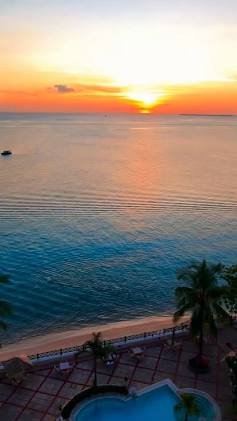


Climate & tides
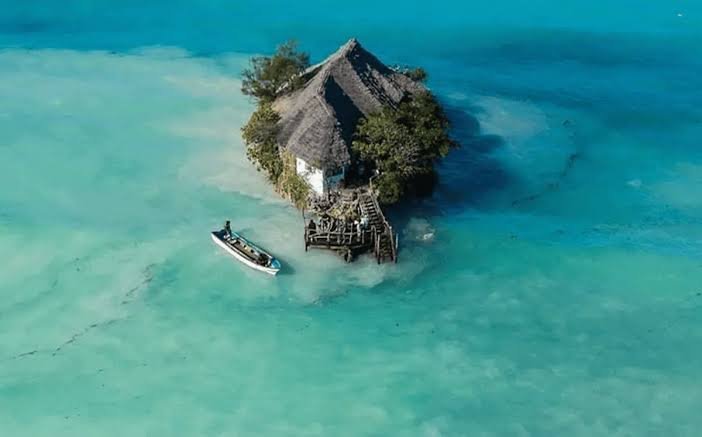
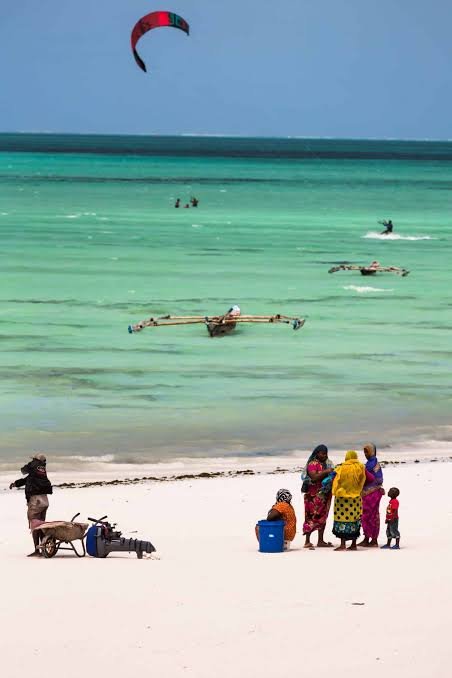
Warm and humid year-round with sea breeze relief. East coast tides dramatically change swimming space; we explain that before you fall in love with a postcard that was photographed at high tide only.


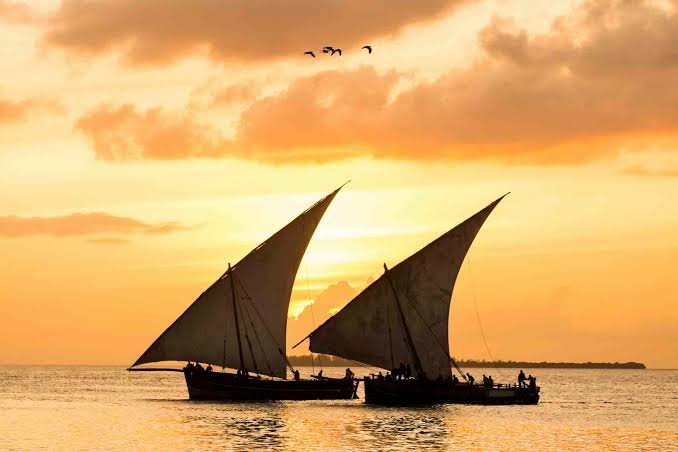
Zanzibar is where dusty boots give way to salt air: UNESCO Stone Town, clove plantations, dhow sunsets, and beach hotels matched to how you like to swim.
Overview
Spice islands, Stone Town history, and turquoise Indian Ocean beaches
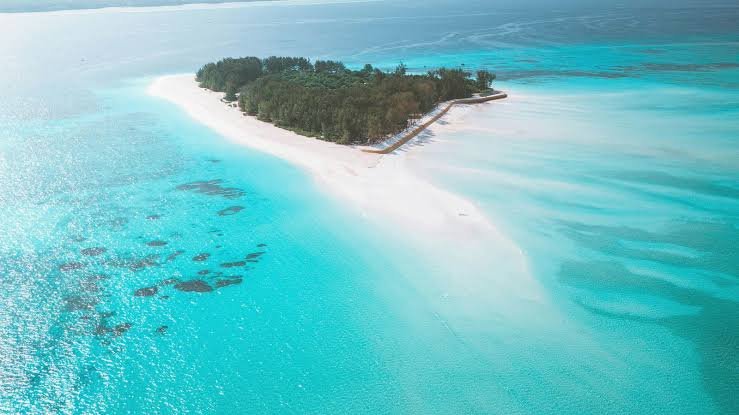
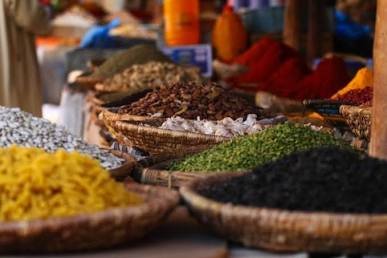
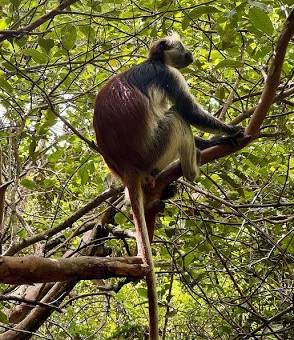
The Zanzibar Archipelago sits in the warm Indian Ocean off mainland Tanzania. Most visitors base on Unguja for Stone Town and beach resorts, adding spice tours, snorkelling, and optional Jozani Forest for red colobus monkeys.
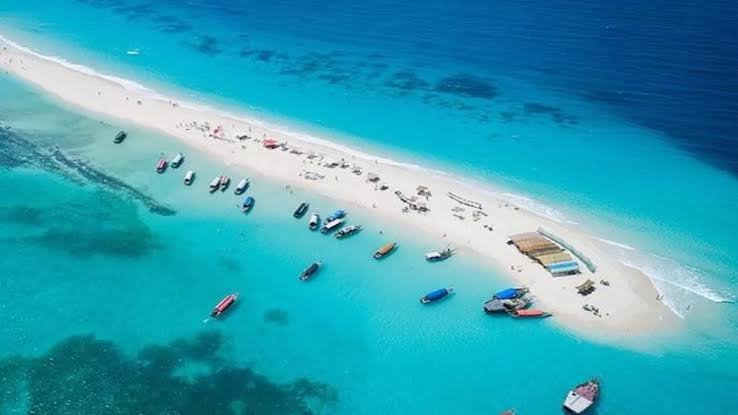
Sea-level heat and humidity replace highland fleeces. North-coast beaches around Nungwi and Kendwa usually offer easier swimming; east-coast tides create longer low-water walks and reef windows that reward checking a tide chart before you commit hotel nights.
It works as a stand-alone island holiday or the classic finish after Serengeti and Ngorongoro, linked by a short domestic flight. Compare Zanzibar tour packages for beach-only and safari-beach hybrids, or read how the island pairs with Serengeti destination guide plains time.
Stone Town rewards a guided first walk; beach days work best when we leave them mostly open. Tell us whether you want culture-first routing or pure recovery sand after Kilimanjaro climbs or a long safari.
We match coast and hotel to how you actually like to swim (tide-aware east-coast nights or forgiving north-coast water) and we coordinate domestic flights so safari handoffs do not eat your first beach afternoon.
Spice island guide
Zanzibar pairs Stone Town’s UNESCO-listed history with beaches, spice farms, and reef days, the soft landing after safari or a destination in its own right.
Warm and humid year-round with sea breeze relief. East coast tides dramatically change swimming space; we explain that before you fall in love with a postcard that was photographed at high tide only.
Stone Town for culture, alleys, and food. Beach belts for swimming, snorkeling, and slow mornings. Many guests split nights between both. We design the split around flight times and energy levels.
Boutique town houses, beach hotels, and quieter honeymoon strips. Power cuts and island pace are real; good hotels handle them gracefully. We book places we can stand behind when something needs fixing at 9 p.m.
Spice tours, Jozani forest, reef excursions, dhow sunsets, and unstructured sand time. The island works best when the calendar is not fully coloured in.
Whether Zanzibar is your finale or your whole holiday, we plan it with the same continuity we bring to the northern parks: one journey, clearly hosted.
Highlights
On the ground
Seasons
June to October: dry, breezy, excellent beach weather and our most requested island months.
December to March: warm seas and festive energy; short rains possible, especially later in the window.
April to May: long rains, quieter hotels, softer rates, and greener interiors if you accept showers.
Tide charts matter on the east coast for swimming windows; north coast is generally more forgiving.
Honeymoon and family peaks book out early in July–August and late December. We hold hotel options when you enquire.
Logistics
Domestic flights from Arusha, Dar es Salaam, or Serengeti airstrips are the smoothest safari-to-beach handoff.
Ferry options from Dar suit flexible travellers with lighter luggage and open schedules.
We arrange airport meets and private hotel transfers timed to tides only when an activity depends on them.
International arrivals into Zanzibar Airport work for island-only holidays without mainland routing.
Ways to go
Start from a ready itinerary, or ask us to reshape nights, lodges, and pacing around this destination.
Questions
Keep exploring
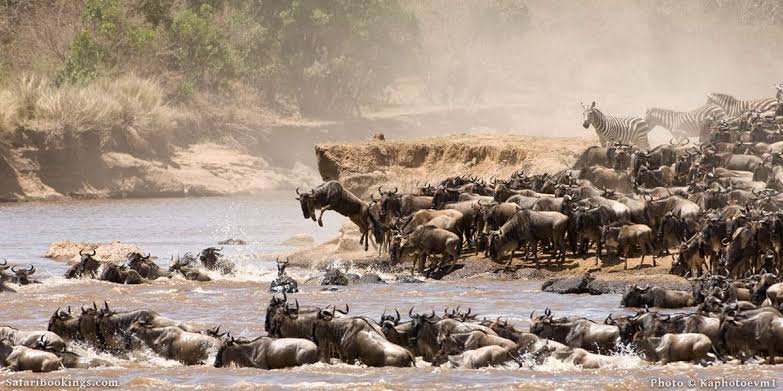
Africa’s most famous savanna, wildebeest migrations, predator action, and open horizons that define a Tanzania safari.
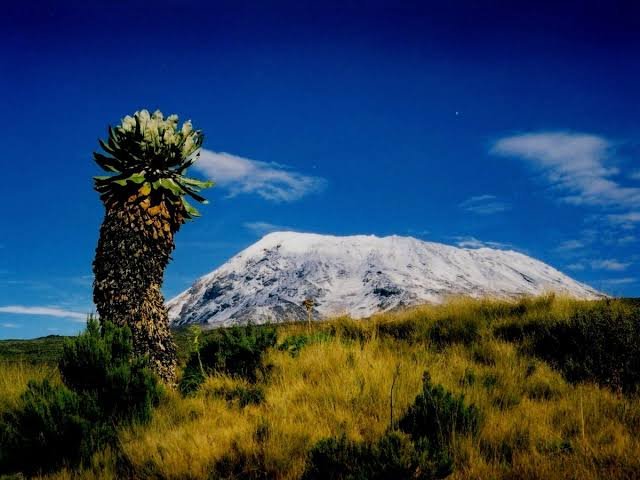
Uhuru Peak stands above the clouds. Choose Marangu huts, Machame camping, Lemosho panoramas, or premium crater nights.
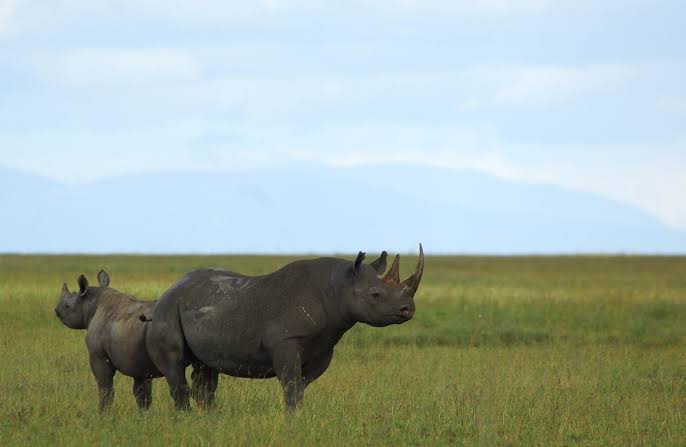
Descend into the Ngorongoro Crater for hippos, flamingos, predators, and highland views that feel like another world.
Tell us how many nights you want here and what else is on your map. We will build a clear private quote.
Explore KiliRuta
Jump between climbs, safaris, destinations, day trips, and planning guides. Every page connects to the next part of your journey.
Trusted network













Please wait