
Altitude matters here
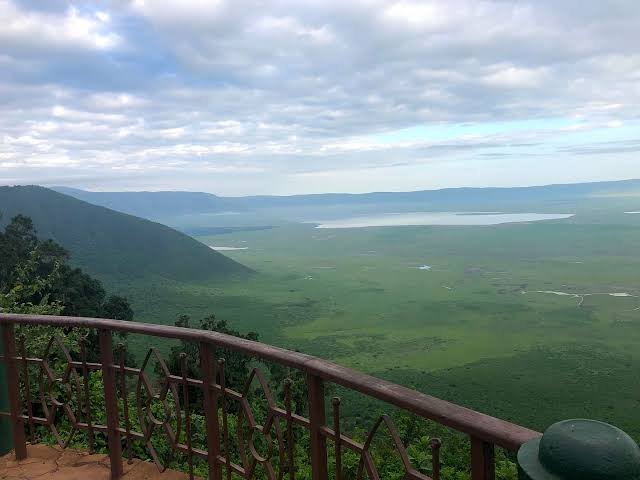
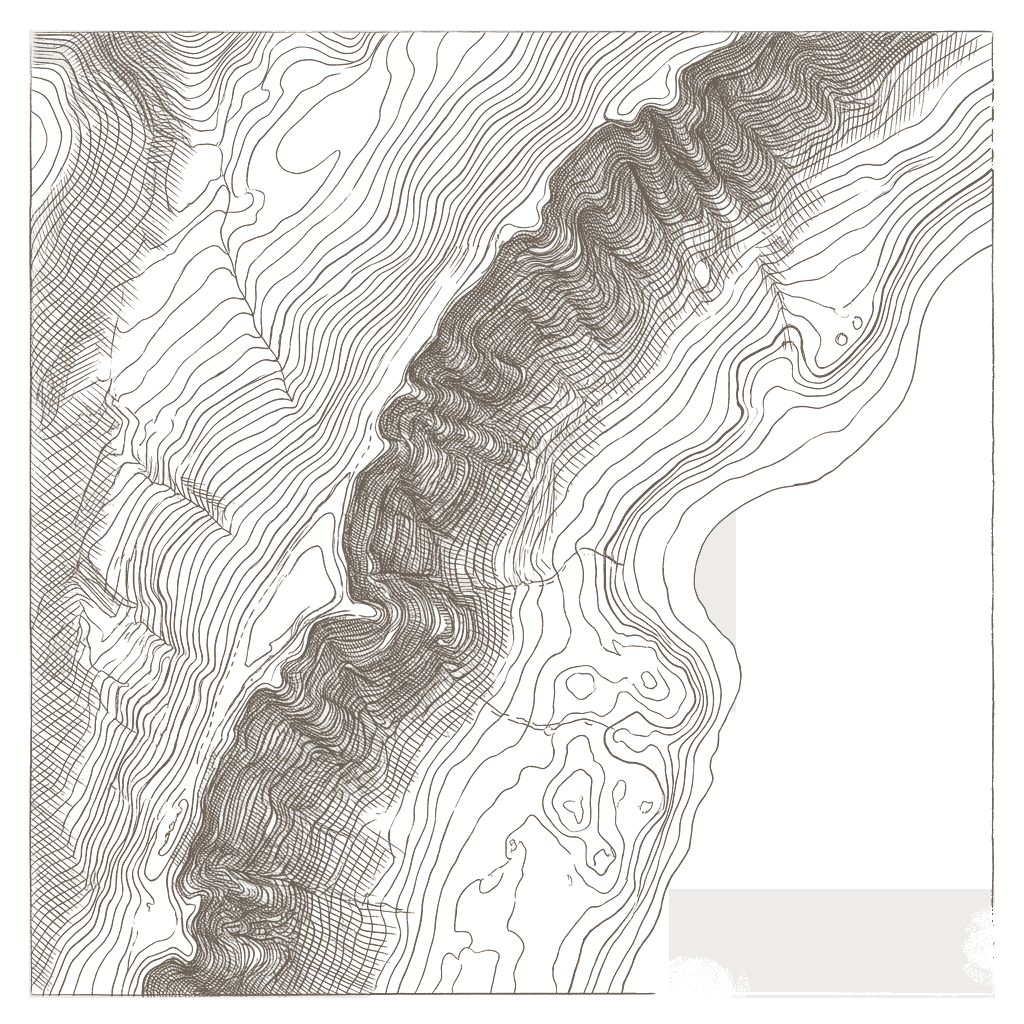
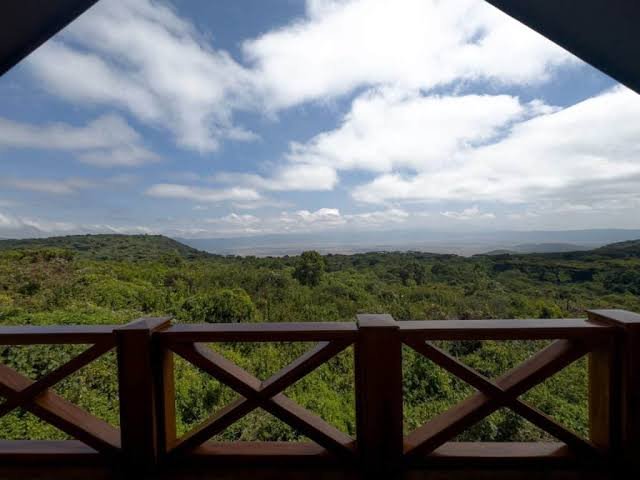
Rim lodges sit near 2,200–2,400 m. The crater floor lies about 600 m below. Mornings on the rim are cold; take a proper jacket into the vehicle even if Arusha felt warm.


Ngorongoro pairs a UNESCO-listed crater floor packed with wildlife with highland lodges, Maasai communities, and cool evening air above the caldera.
Overview
A collapsed volcano holding one of Africa’s densest wildlife stages
The Ngorongoro Conservation Area protects the famous crater and surrounding highlands at roughly 2,200 to 2,400 metres on the rim, evenings are cool, mornings can be misty, and a fleece earns its place in the bag even after dusty plains days.
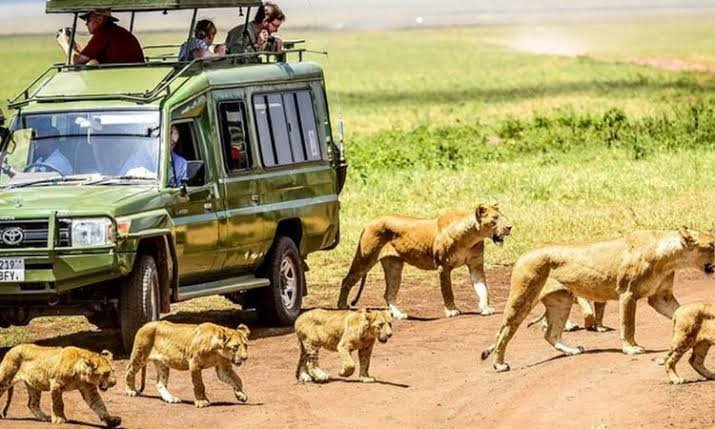
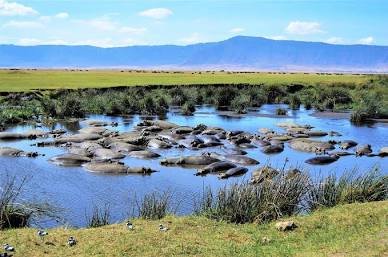
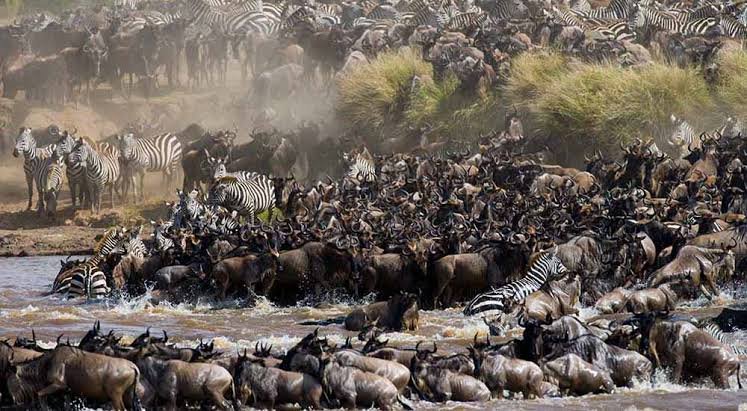
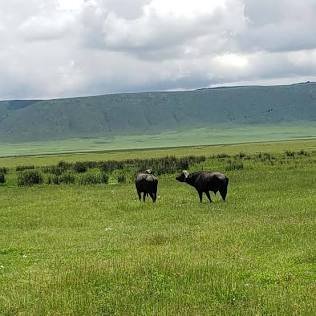
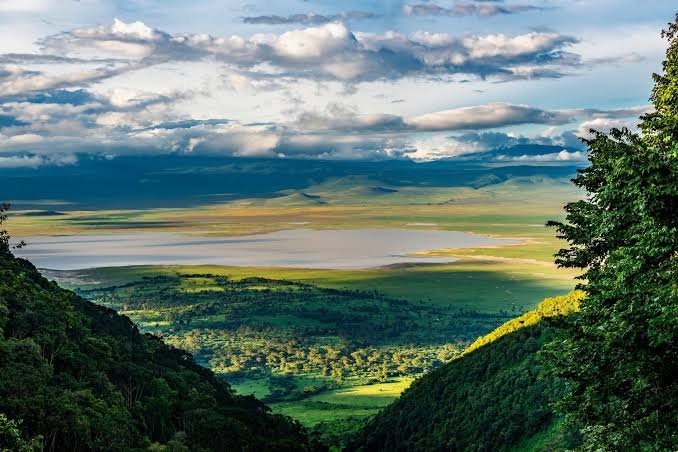
A full day on the crater floor is often the densest wildlife viewing of a northern Tanzania trip: lakes, grasslands, and forest edges inside one enclosed volcanic basin about 600 metres below the rim. Descent roads are steep; picnic sites are designated; guides work loops for lion, buffalo, elephant, and the slim chance of black rhino.
Outside the crater, the highlands offer lodge views, cultural visits, and the gateway road toward the Serengeti destination guide . For a same-day return from town, see our Ngorongoro crater day tour , overnight rim or Karatu stays feel kinder if you dislike long road hours.
Most private northern safari packages place Ngorongoro after Tarangire or Serengeti so the crater becomes a finale rather than a rushed first impression.
Crater days are timed around entry windows and rim lodging reality. We say upfront when a same-day Arusha return will feel long versus when an overnight highland stay is the kinder plan.
Crater highlands guide
Ngorongoro Conservation Area holds the world’s largest intact volcanic caldera, a dense wildlife theatre reached from cool highland lodges on the rim.
Rim lodges sit near 2,200–2,400 m. The crater floor lies about 600 m below. Mornings on the rim are cold; take a proper jacket into the vehicle even if Arusha felt warm.
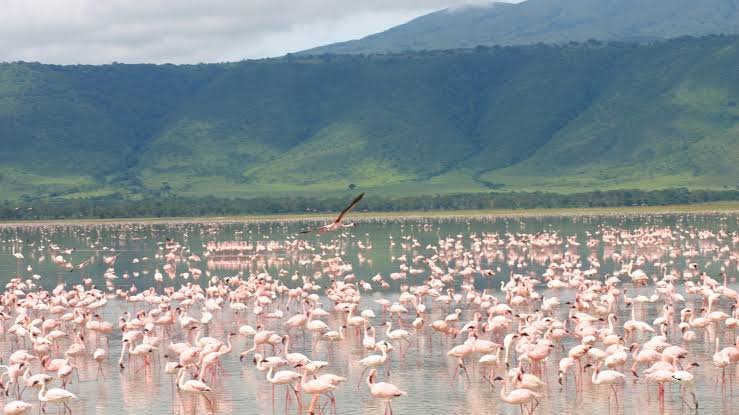
The crater can feel warmer and still once you descend. Dust rises in dry months; after rains the floor greens and flamingos may paint the soda lakes. Descent roads are steep. We time entries with park rules and light.
Highland lodges and tented camps on or near the rim. You typically descend for a full game day and return to the rim for dinner fire warmth and thick blankets.
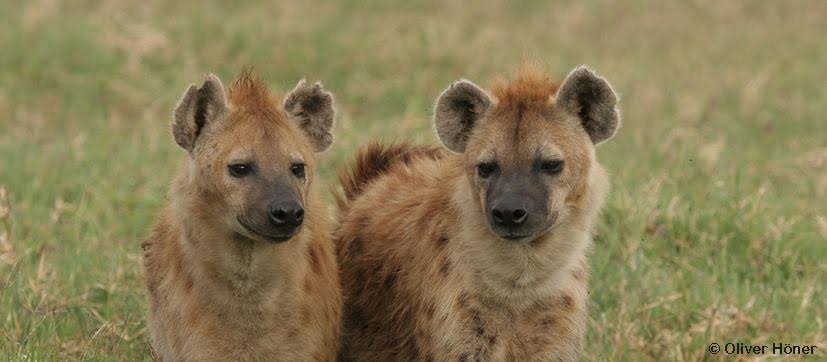
Lion, hyena, buffalo, elephant, and black rhino habitat share a closed floor world. Sightings feel concentrated, which is why we still manage expectations around rhinos and avoid treating the crater like a zoo checklist.
A crater day is a privilege we have guided countless times, and we still brief every guest as if it were their first, because the rim cold and floor drama deserve respect.
Highlights
On the ground
Seasons
Year-round wildlife on the crater floor, with clearer long views in drier months.
June to October: excellent game viewing, cooler highland nights, and busy but productive floor days.
January to February: green beauty and strong predator activity after calving on nearby plains.
April to May: lush and quieter; rim roads can be slippery in heavy rain. We watch forecasts closely.
Early crater entry helps in peak months; private vehicles let you work quieter corners once the first wave of traffic settles.
Logistics
Private safari vehicle from Arusha in roughly three to four hours depending on stops and road works.
Often overnight on the rim or in Karatu before or after the crater descent to soften the day.
Continue west into Serengeti through the conservation area, or return to Arusha the same afternoon on short trips.
Crater service fees and vehicle limits apply. We build them into safari quotes so the floor day is not a surprise cost.
Ways to go
Start from a ready itinerary, or ask us to reshape nights, lodges, and pacing around this destination.
Questions
Keep exploring
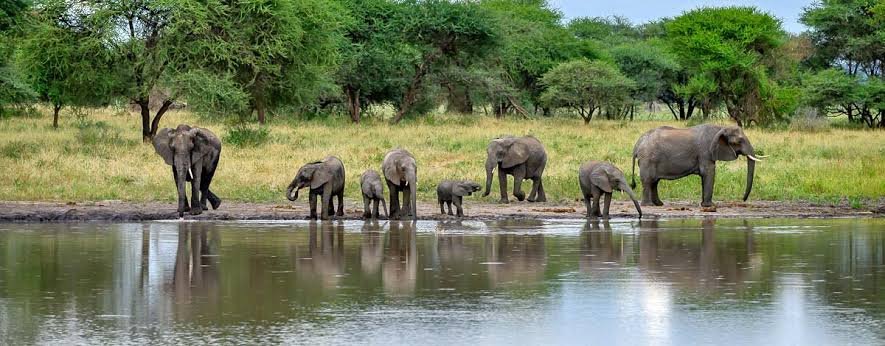
Iconic baobabs, river corridors, and elephant country close enough to Arusha for day trips or overnight safari starts.
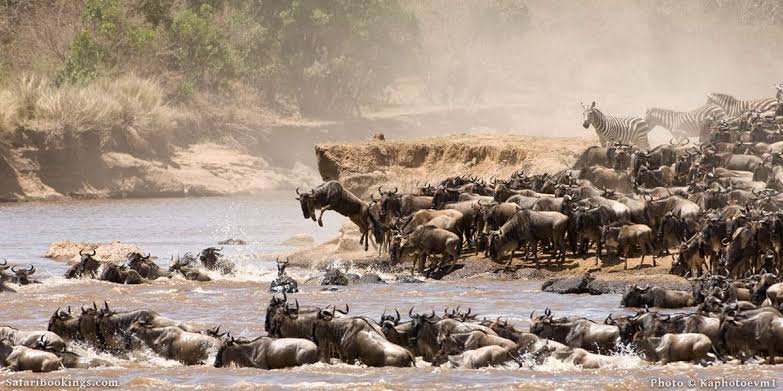
Africa’s most famous savanna, wildebeest migrations, predator action, and open horizons that define a Tanzania safari.
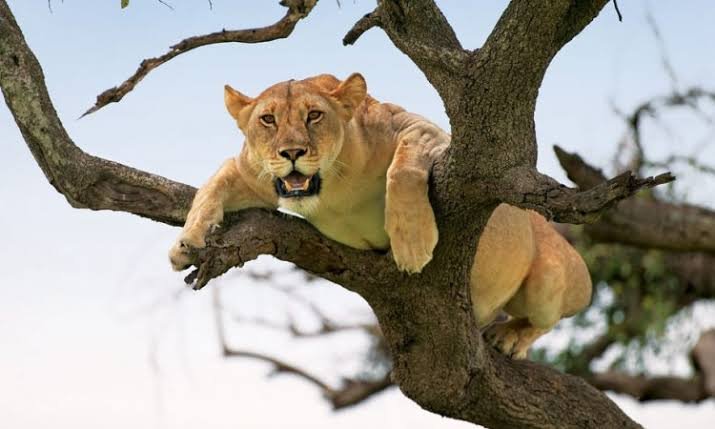
A compact Rift Valley park of forest, lake shore, and famous tree-climbing lions when conditions favour sightings.
Tell us how many nights you want here and what else is on your map. We will build a clear private quote.
Explore KiliRuta
Jump between climbs, safaris, destinations, day trips, and planning guides. Every page connects to the next part of your journey.
Trusted network













Please wait