
Landscape & elevation
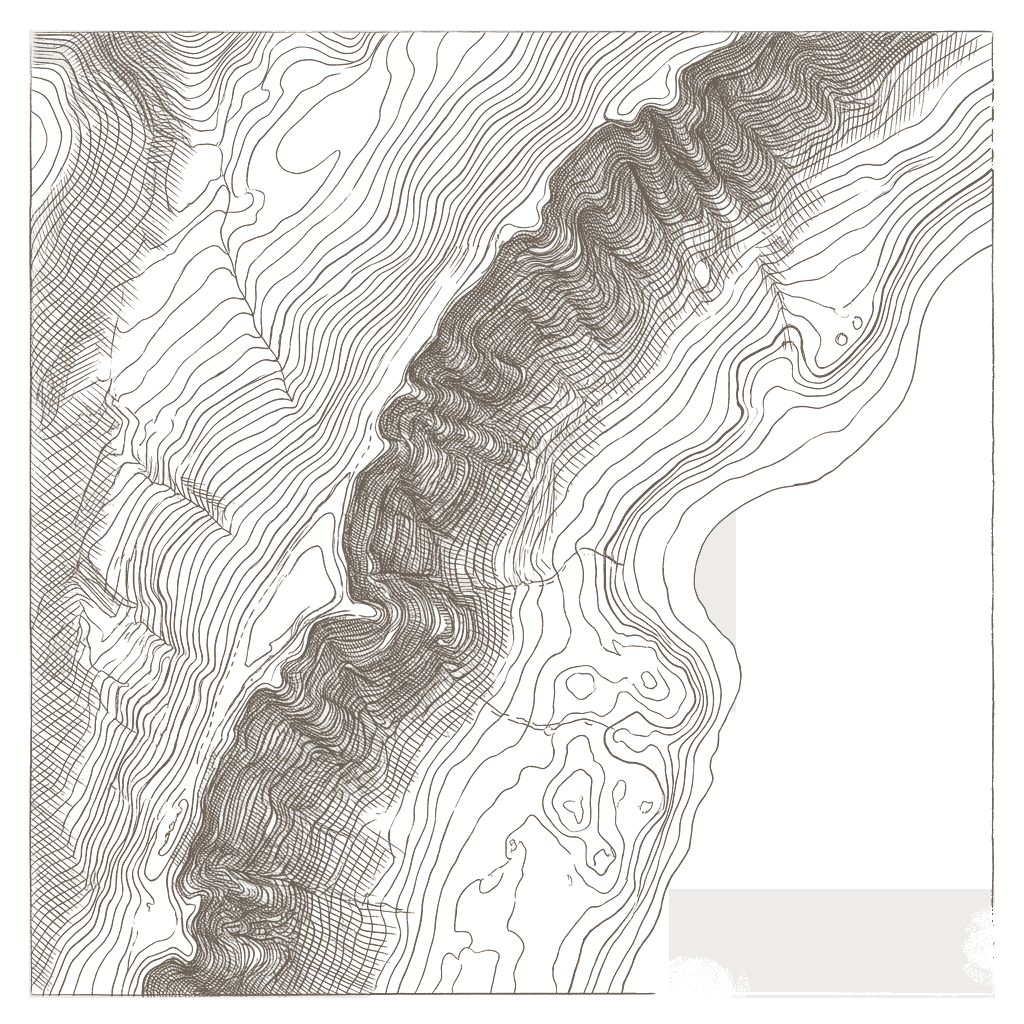
Most visitor sectors sit around 1,200–1,800 m on rolling plains, kopjes, and river corridors. Days are open and bright; nights cool enough for a fleece even after hot afternoons.


The Serengeti is where Tanzania’s wildlife story feels largest: short-grass plains, river corridors in season, and camps that sit inside the drama rather than beside it.
Overview
Endless plains, migrating herds, and classic Big Five safari country
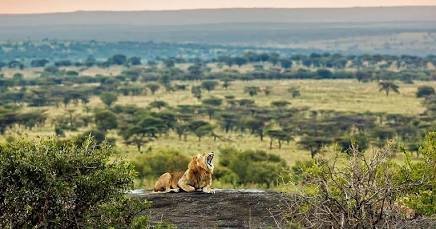
Serengeti National Park protects a vast mosaic of short-grass plains, acacia woodland, granite kopjes, and river corridors in northern Tanzania. Altitude sits mostly between about 920 and 1,850 metres, so nights cool quickly once the sun drops and dawn drives often start under fleece layers even after hot afternoons.
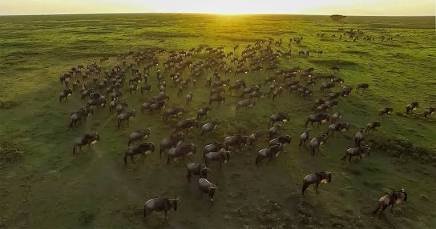
This is the heartland of the Great Migration when wildebeest and zebra move with the rains, shadowed by lions, hyenas, cheetahs, and crocodiles. Terrain shifts from the open southern calving plains to the wooded western corridor and the Mara River country in the north, camp placement matters as much as the number of nights you book.
Whether you come for a short fly-in stay or several nights on a private circuit, the Serengeti rewards patience: dawn drives, midday rest, and late light when the plains turn gold. Browse our safari packages for migration and classic routes, or pair plains time with a crater finish via Ngorongoro destination guide .
Many guests continue afterward to the coast, see our Zanzibar destination guide page and safari and beach packages itineraries when you want bush dust traded for salt air.
We confirm Serengeti sector and camp style against the season you actually travel (not a generic map pin) so migration months and quieter resident-game months are planned differently on purpose.
Serengeti field guide
The Serengeti is a vast protected grassland ecosystem where migration timing, predator density, and camp location decide how your days feel.
Most visitor sectors sit around 1,200–1,800 m on rolling plains, kopjes, and river corridors. Days are open and bright; nights cool enough for a fleece even after hot afternoons.
Southern calving drama peaks roughly January–March. Northern river crossings often intensify July–October. Shoulder months trade fewer vehicles for greener or dustier moods depending on rain.
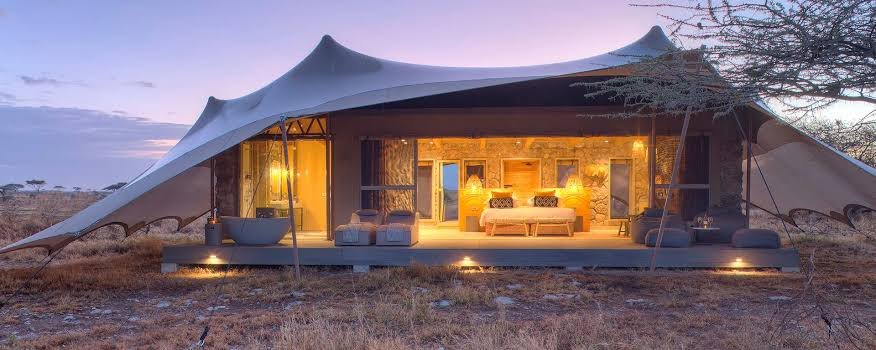
Permanent lodges around Seronera, mobile camps that follow herds, and luxury tented camps on private or remote concessions. We match camp geography to the season you travel, not to a static map pin.
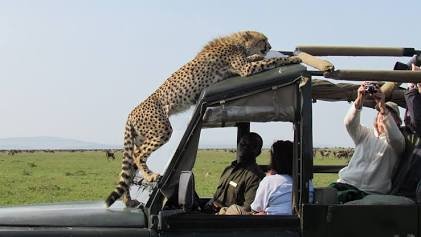
Dawn drives, midday rest, late light again. Balloon mornings are optional overlays. Private vehicles mean you can linger at a crossing or kopje without a convoy timetable.
We have placed guests across southern, central, and northern sectors for years, the question is never only “Serengeti,” it is which Serengeti your dates deserve.
Highlights
On the ground
Seasons
December to March: southern short-grass plains and calving season, predator action is often intense around newborns.
April to May: greener landscapes and dramatic skies; some mobile camps close or reduce access in heavy long rains.
June to October: herds push west then north; Mara River crossing windows often peak July to October in the northern sector.
November: short rains begin; shoulder rates, softer light, and fewer vehicles in many central camps.
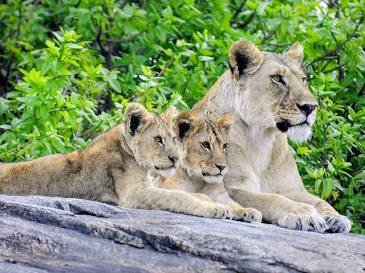
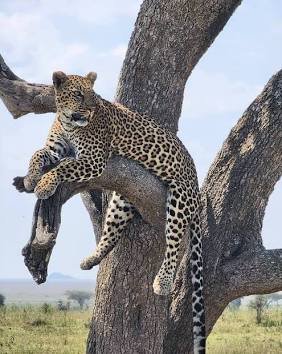
Year-round resident game means non-migration months still deliver lions, elephants, and classic plains drives. We match sector to your dates, not a brochure cliché.
Logistics
Road from Arusha via the Ngorongoro highlands is a full scenic day with picnic and game viewing en route, expect rough sections and dust in the dry season.
Scheduled light-aircraft flights into Seronera, Kogatende, Sasakwa, and other airstrips cut road time and suit short stays.
Fly-in pairs well with a crater day and highland lodge before or after the plains.
Often combined with Tarangire at the start of a circuit and a domestic flight to Zanzibar at the finish.
Ways to go
Start from a ready itinerary, or ask us to reshape nights, lodges, and pacing around this destination.
Questions
Keep exploring
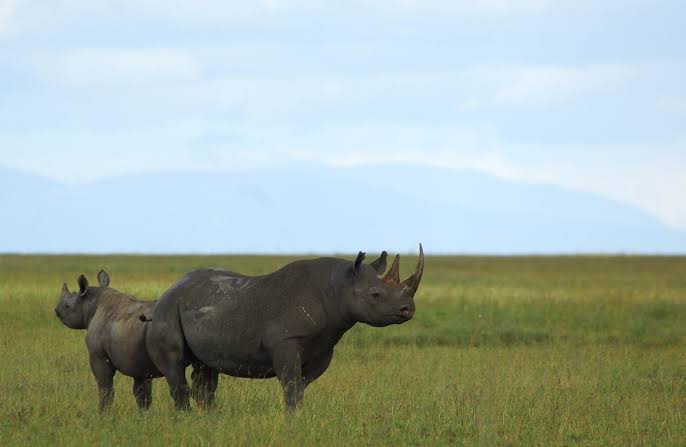
Descend into the Ngorongoro Crater for hippos, flamingos, predators, and highland views that feel like another world.
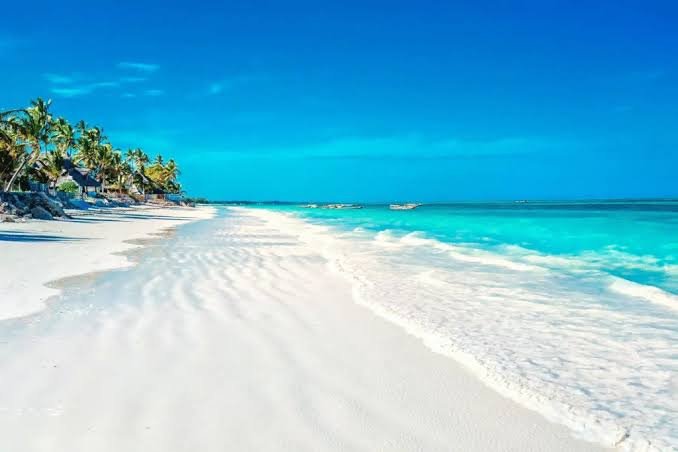
Soft landings after safari, Nungwi swimming, east-coast reefs, Stone Town alleys, and spice farm days.
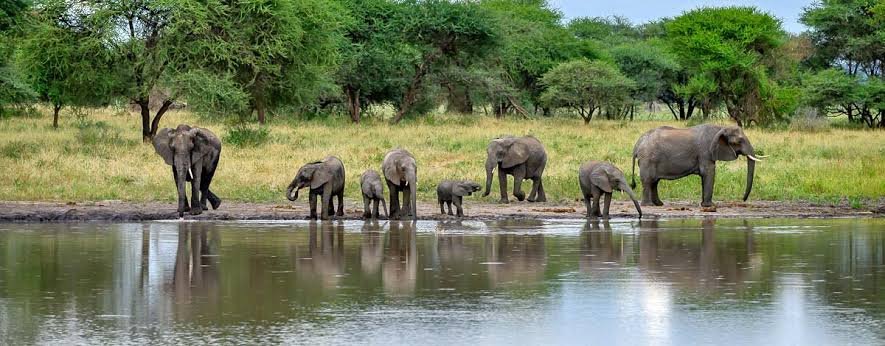
Iconic baobabs, river corridors, and elephant country close enough to Arusha for day trips or overnight safari starts.
Tell us how many nights you want here and what else is on your map. We will build a clear private quote.
Explore KiliRuta
Jump between climbs, safaris, destinations, day trips, and planning guides. Every page connects to the next part of your journey.
Trusted network













Please wait