Altitude reality
Success is less about technical climbing and more about time to adapt. Gates start near 1,600–2,400 m depending on route; summit night leaves from about 4,600–4,700 m. Longer itineraries raise odds because they respect that curve.


Kilimanjaro is a non-technical but serious high-altitude trek. Route length, acclimatisation, and an ethical mountain crew matter more than bravado.
Overview
Africa’s highest peak, rainforest to glacier on every authorized route
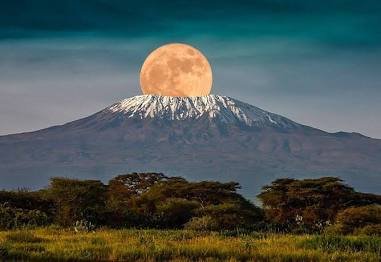
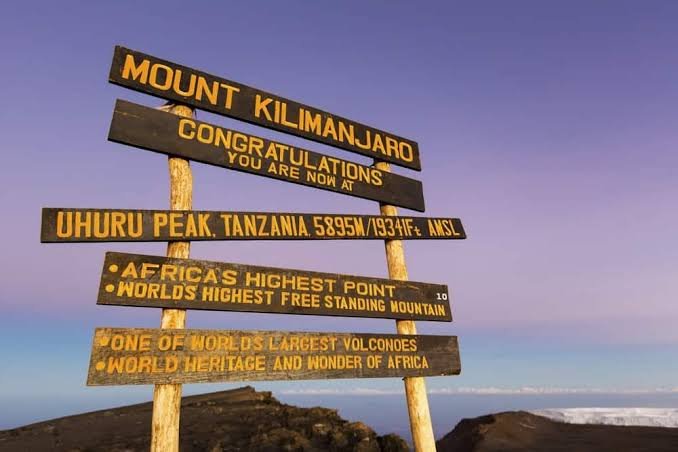
Mount Kilimanjaro rises from farmland and rainforest through heath and alpine desert to summit ice above 5,895 metres. Climbers do not need ropes for standard routes, but they do need fitness, honest pacing, and enough days to adapt as oxygen thins.
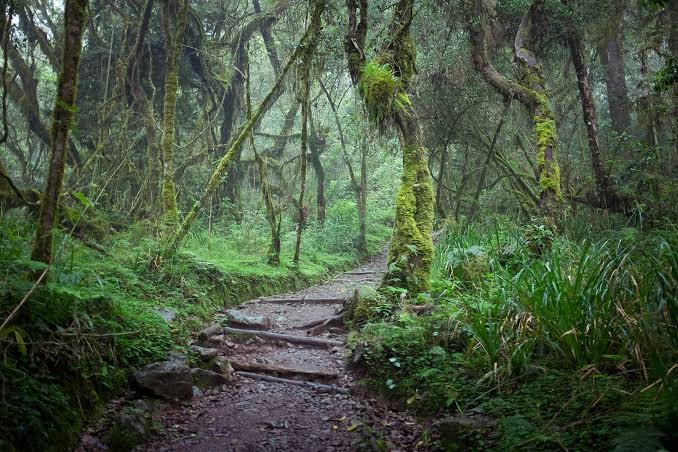
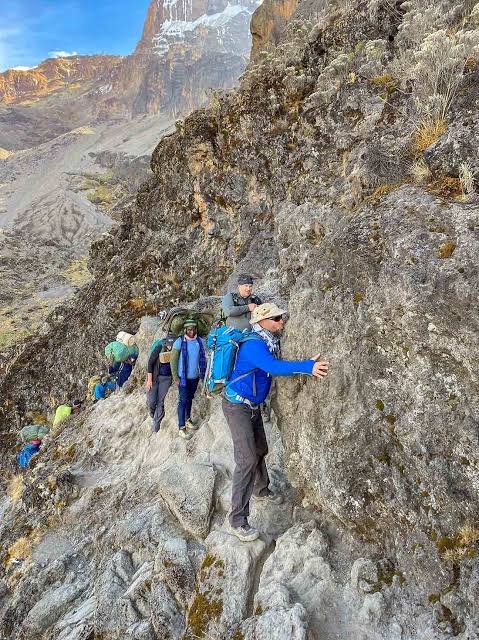
Climate stacks in vertical layers: humid forest at the gates, colder wind on the plateau, and biting summit nights even in dry months. Terrain shifts from muddy roots to scree and glacier-adjacent rock depending on route and season.
From Moshi or Arusha we match you to Marangu, Machame, Lemosho, Rongai, Northern Circuit, Umbwe, Shira, or premium crater packages, private or group. Explore the full set of Kilimanjaro climb packages , or taste the mountain first with a Kilimanjaro day hike to Mandara or the Shira Plateau.
After the summit, many guests soft-land on a northern safari packages or fly to Zanzibar beach packages . We plan recovery days so celebration dinners do not collide with the hardest trail legs.
We brief gear, altitude, and ethical porter standards before you pay a deposit, and we recommend longer routes when your leave allows, because extra nights beat wishful thinking on summit morning.
Mountain destination guide
Kilimanjaro is Africa’s highest free-standing mountain (5,895 m at Uhuru Peak) with five climate zones from rainforest to arctic summit in a few walking days.
Success is less about technical climbing and more about time to adapt. Gates start near 1,600–2,400 m depending on route; summit night leaves from about 4,600–4,700 m. Longer itineraries raise odds because they respect that curve.
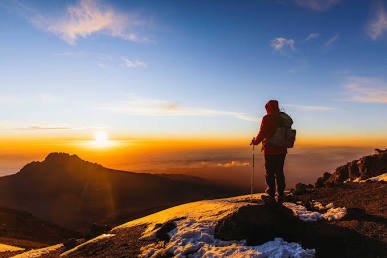
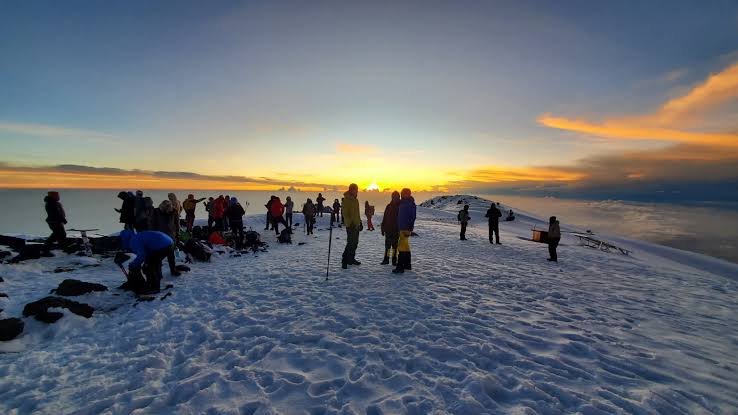
Forest days can be mild and wet. Moorland nights approach freezing. Alpine desert swings from hot sun to sharp cold. Summit night regularly hits −10°C to −15°C with wind. Pack systems, not single thick jackets.
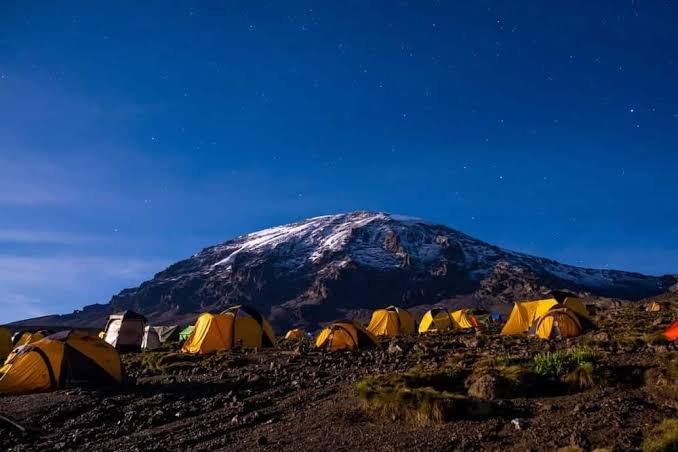
Marangu uses communal huts; other routes camp with full crew support. Moshi and Arusha hotels bookend the trek. Ethical porter treatment and daily health checks are part of how responsible operators work, including us.
Machame and Lemosho for scenery and strong buffers; Marangu for hut beds; Rongai for quieter drier odds; Northern Circuit for maximum time; Umbwe only with proven fitness. We help you choose in conversation, not by fad.
Kilimanjaro has been at the centre of our guiding life for a long time. The mountain does not get easier, our job is to make your preparation and pacing wiser.
Highlights
On the ground
Seasons
January to mid-March: often clear and popular, with colder summit nights and good trail conditions.
June to October: main dry season; busy routes, reliable mornings, and very cold pre-dawn summit pushes.
April to May: long rains on southern approaches; Rongai on the north can stay comparatively drier.
November: short rains; quieter trails if you pack carefully for wet forest and slippery rock.
Shoulder weeks can mean softer rates and fewer tent crowds. We balance weather risk against your leave dates.
Logistics
Fly into Kilimanjaro International Airport (JRO), then transfer to Moshi or Arusha for briefing and gear checks.
Gates depend on route: Machame, Marangu, Lemosho/Londorossi, Rongai, and others. We time pickups to registration windows.
Most climbers overnight before the gate day so the first trail morning starts fresh.
Domestic links from Zanzibar or Dar work for beach-first itineraries that finish with the mountain.
Ways to go
Start from a ready itinerary, or ask us to reshape nights, lodges, and pacing around this destination.
Questions
Keep exploring
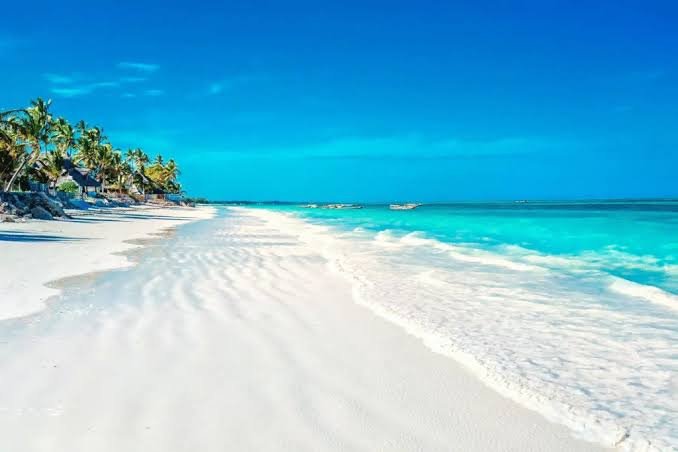
Soft landings after safari, Nungwi swimming, east-coast reefs, Stone Town alleys, and spice farm days.
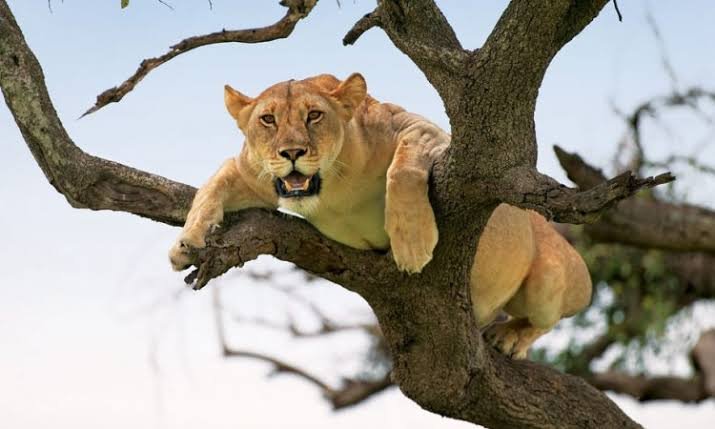
A compact Rift Valley park of forest, lake shore, and famous tree-climbing lions when conditions favour sightings.
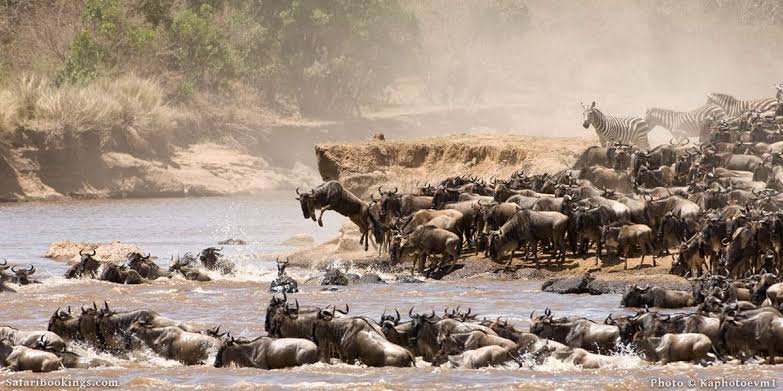
Africa’s most famous savanna, wildebeest migrations, predator action, and open horizons that define a Tanzania safari.
Tell us how many nights you want here and what else is on your map. We will build a clear private quote.
Explore KiliRuta
Jump between climbs, safaris, destinations, day trips, and planning guides. Every page connects to the next part of your journey.
Trusted network









Please wait