Based in Arusha, Tanzania
Open northern mountain approach
6 days Northern approach From $1,950

6-Day Rongai Wilderness Isolation Package

Six Rongai days from the dry northern approach, remote trail energy, a distinct face of the mountain, and a two-sided journey when you descend east.

View itinerary Talk to a planner

Overview

Rongai Wilderness Isolation

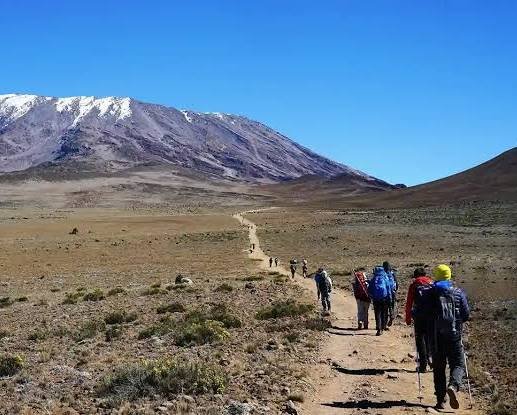
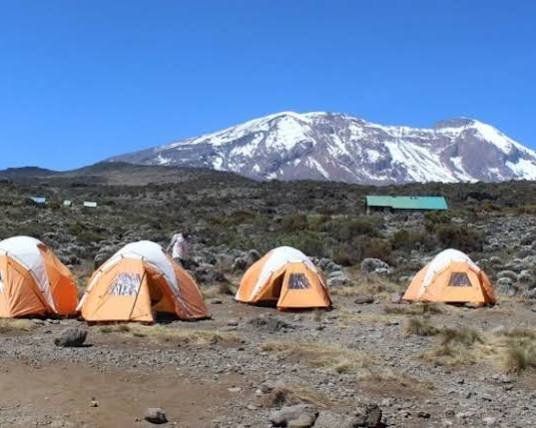
Rongai begins near the Kenyan border and often stays drier than southern routes in shoulder seasons. Early camps feel remote before you join more travelled approaches near the Kibo cone. Summit typically goes via Gilman’s Point (the same eastern rim used on Marangu) then you descend the Marangu corridor, so one climb shows you two faces of the mountain.

Six days is the shorter Rongai profile: efficient, scenic, and still serious on summit night. Fit hikers who want fewer crowds and a different weather microclimate choose it; guests who can spare another night usually prefer the Mawenzi Tarn length.

Want Mawenzi’s jagged spires and an extra buffer? Book 7-Day Rongai Mawenzi Tarn Eco-Trek . Comparing drier north with hut comfort on the east? See 6-Day Marangu Acclimatization Advantage . After certificates, many Rongai climbers continue into Serengeti safari days country without long repositioning drives.

From-price includes park and camping fees, rescue, tents, meals, and a full crew. Transfer logistics to the northern gate are coordinated from Moshi or Arusha.

We route Rongai when southern rains threaten or when guests specifically want the mountain’s quieter northern character, not as a marketing novelty.

All Kilimanjaro packages

Northern approach essentials

Drier climate, Mawenzi views, and Rongai camping

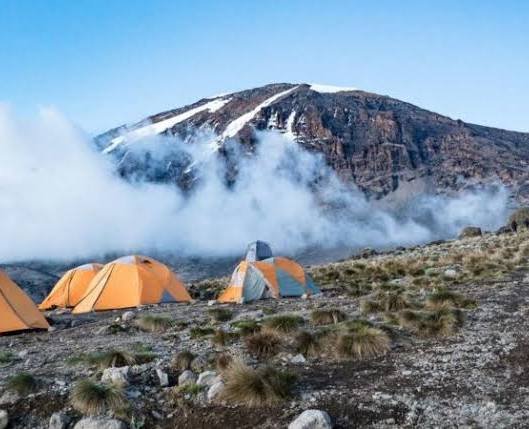
Rongai is the only standard route starting near the Kenyan border on Kilimanjaro’s northern slopes. It often stays drier than southern trails and finishes via the Marangu descent after summit.

Altitude profile

The Rongai Gate area sits near 2,000 m. Camps step through rainforest fringe into moorland toward Mawenzi Tarn (~4,300 m on longer profiles) and Kibo (~4,700 m) before Uhuru Peak at 5,895 m. Six-day versions move steadily; seven days add important buffer around Mawenzi scenery.
Temperature & weather

Northern slopes often see less rainfall than Machame or Lemosho, which is why many climbers choose Rongai in wetter calendar months. Nights still freeze at Mawenzi and Kibo. Summit wind can be sharp; dry air means strong sun by day and cold shade by dusk.

Accommodation on the mountain

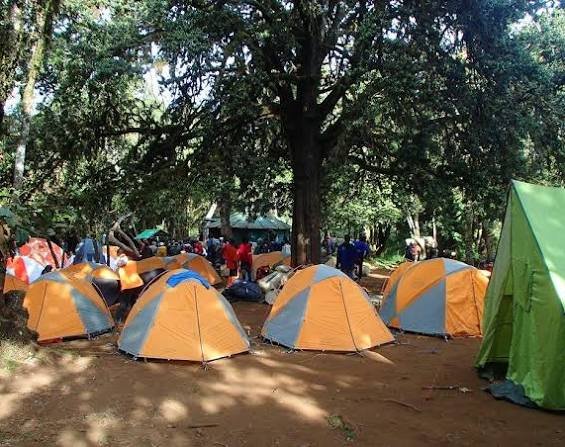
Camping throughout, with a quieter trail atmosphere than the southern circuit. Descent uses Marangu’s hut trail to the gate, so your last walking day feels familiar to anyone who has studied the eastern route maps.

Who thrives on Rongai

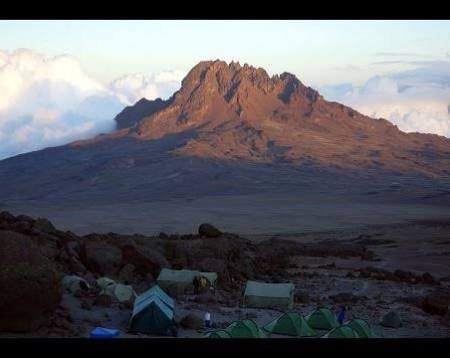
Guests who want fewer crowded camps, photographers drawn to Mawenzi’s jagged silhouette, and climbers travelling in shoulder or rainy seasons when a drier microclimate helps morale.

We have long preferred Rongai when November rains threaten southern trails or when a quieter northern approach simply matches how a guest wants the mountain to feel.

Highlights

What you will notice

Northern start Unique approach near the border.
Drier microclimate Often favoured when southern rains threaten.
Fewer crowds early Quieter camps on the ascent.
Two-sided journey Descend a different route.
Camp-based Full crew and meals.
Fee-inclusive TANAPA and rescue in the from-price.

Itinerary

How the journey unfolds

Six-day Rongai. Camps follow the northern approach to Kibo before summit and a Marangu-side descent.

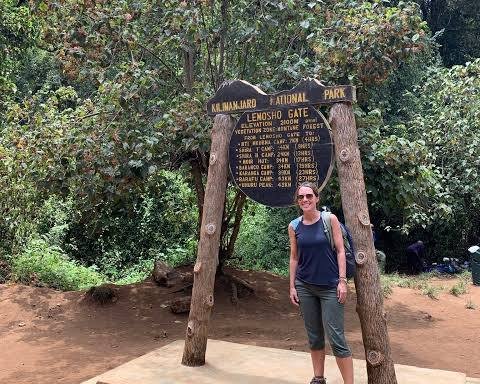
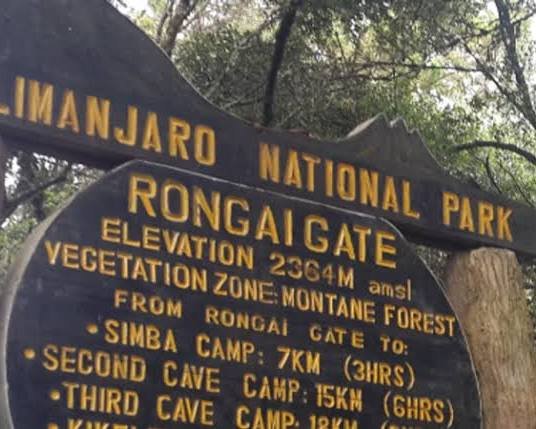
Rongai Gate to Simba Camp
  • Altitude1,950 m → 2,625 m
  • Walking time3–4 hours
  • OvernightSimba Camp (tents)
  • Temperature12–22°C day / 5–12°C night
  • Distance~7 km

Transfer to Rongai Gate (about 1,950 m) and hike through farmland fringe and forest edge to Simba Camp near 2,625 m. Northern approaches often feel less humid than southern rainforest starts; daytime temperatures commonly sit around 12–22°C.

Simba to Second Cave area
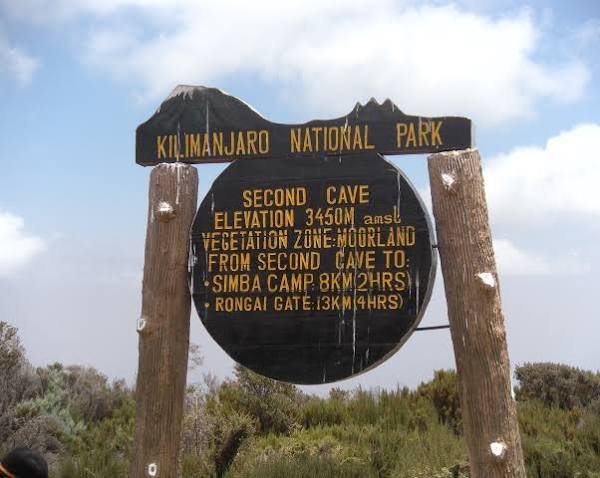
  • Altitude2,625 m → ~3,450 m
  • Walking time5–7 hours
  • OvernightSecond Cave area (tents)
  • Temperature8–16°C day / −2 to 6°C night
  • Distance~8–10 km

Steady gain through moorland toward Second Cave altitudes around 3,450 m with open northern views toward Kenya. Nights cool toward freezing. Keep hydration high, dry air dehydrates faster than forest routes.

Toward Kibo approaches
  • Altitude~3,450 m → ~3,800–4,300 m zone
  • Walking time4–6 hours
  • OvernightNorthern high approach camp
  • Temperature0–12°C day / −6 to 2°C night

Continue climbing the northern flank toward higher camps as alpine desert character increases. Expect colder wind and thinner air; guides adjust exact overnight sites to group condition.

To Kibo Hut
  • AltitudeApproach → 4,700 m
  • Walking time4–6 hours
  • OvernightKibo Hut area
  • Temperature0–10°C day / −5 to −10°C night

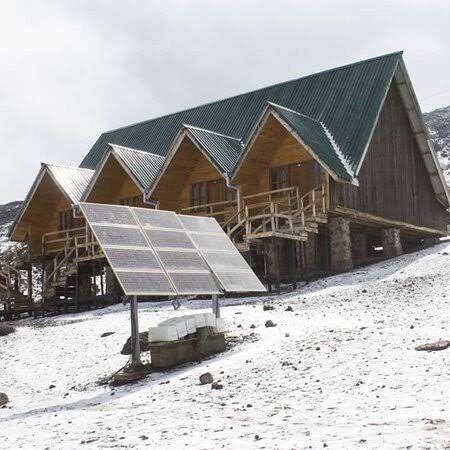
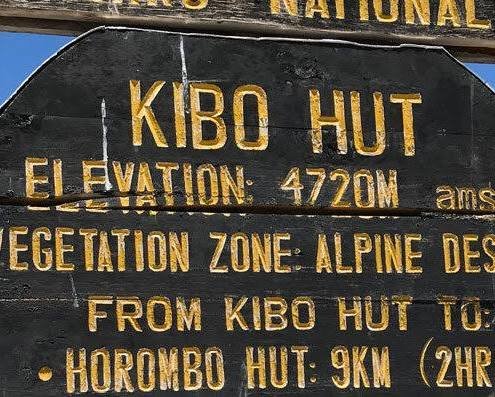
Reach Kibo Hut at about 4,700 m, rest, eat early, and prepare for a midnight Gilman’s Point departure. Hut/camp facilities here are basic and cold, nights often −5 to −10°C.

Summit and Horombo
  • Altitude4,700 m → 5,895 m → 3,720 m
  • Walking time10–14 hours
  • OvernightHorombo area (tents or hut logistics)
  • TemperatureSummit −10 to −20°C

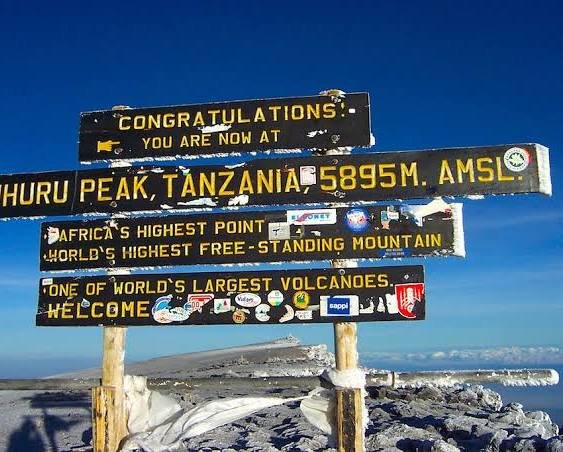
Summit via Gilman’s Point to Uhuru Peak (5,895 m) in −10 to −20°C cold, then descend toward Horombo (about 3,720 m) on the Marangu side for recovery. You have now walked both northern and eastern faces.

Descend Marangu Gate
  • Altitude3,720 m → 1,860 m
  • Walking time5–7 hours
  • OvernightHotel in Moshi or Arusha
  • TemperatureWarming to 15–25°C

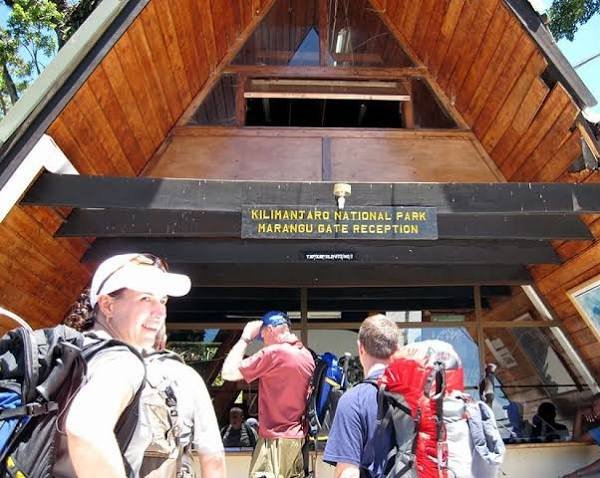
Final descent through moorland and forest to Marangu Gate, certificates, and transfer to town.

Ask about dates

Pricing

Seasonal rates

Park fees stay per person; crew and transport are shared. The from-price is 2 climbers in low season. Switch seasons below, then request a locked quote for your dates.

Low season — April, May & November

Level 1 person 2 people 4 people 6+ people
Standard $2,379* $1,950* From price $1,794* $1,677*

* Cost per person · USD. The highlighted from-price is 2 people in low season.

Ask about group rates

Inclusions

Includes & excludes

Included

  • Professional mountain guides, porters, and cook
  • TANAPA conservation fees and rescue fees
  • Mountain camping or hut fees as per route
  • Tents on camping routes (or hut beds on Marangu)
  • All meals and drinking water on the mountain
  • Pre- and post-climb transfers from Moshi or Arusha as listed
  • Summit certificate support after a successful climb

Not included

  • International flights
  • Tanzania visa fees
  • Travel and medical insurance (mandatory)
  • Personal trekking gear and sleeping bag hire
  • Tips for guides, porters, and cook
  • Soft drinks, alcohol, and personal snacks
  • Optional Meru warm-up or post-climb safari

Guest voices

What travellers say

★★★★★
“Flawless planning from Arusha to the crater rim. Our guide knew every track, Big Five in four days without feeling rushed.”
Elena Martinez Safari · Serengeti & Ngorongoro
★★★★★
“Machame was tough, but the team’s pacing made Uhuru Peak feel possible. Porters were treated with real respect.”
James Okello Climb · Machame 7-day
★★★★★
“Safari then Zanzibar was the perfect hybrid. Lodges exceeded expectations. We only had to show up and look out.”
Anna Hartmann 11-day safari and Zanzibar combo

Questions

Frequently asked questions

Often yes on the north side compared with southern routes, though no month is risk-free. We advise honestly by your exact dates.
Different rather than harder. Early days are steadier; summit night via Gilman’s is still long and cold.
If you can spare the night, yes, Mawenzi Tarn adds scenery and buffer that most first-timers appreciate.
Yes. Standard Rongai ascents finish via the Marangu descent corridor after summit.
Expect a longer morning transfer than southern gates. We leave early so walking daylight stays protected.

Plan this journey with us

Tell us your dates and which package you want. We will confirm hotels, flights, and a private quote.

from $1,950 pp

Explore KiliRuta

Continue through Tanzania

Jump between climbs, safaris, destinations, day trips, and planning guides. Every page connects to the next part of your journey.

Back to home

Trusted network

Our partners